
-
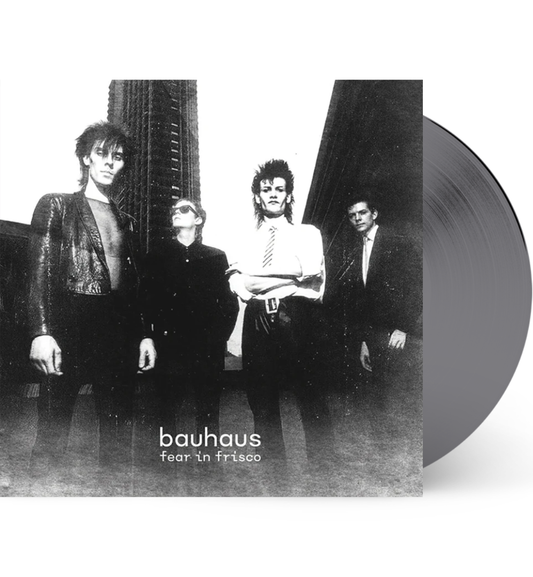
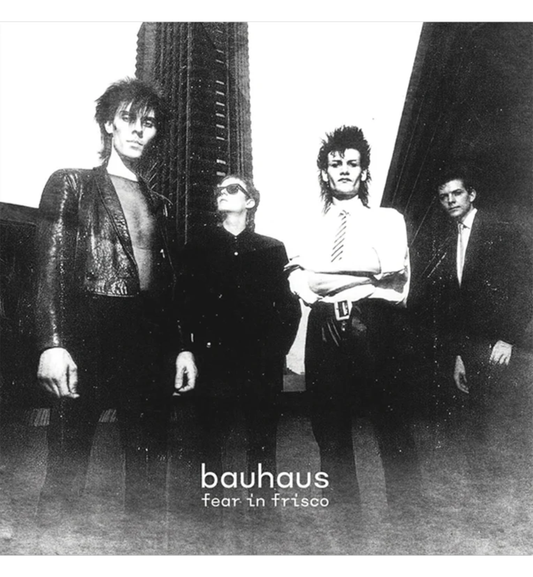
Bauhaus – Fear in Frisco: San Francisco 1982 (Double Album on Grey Vinyl)
Regular price £39.99 GBPRegular priceUnit price per -
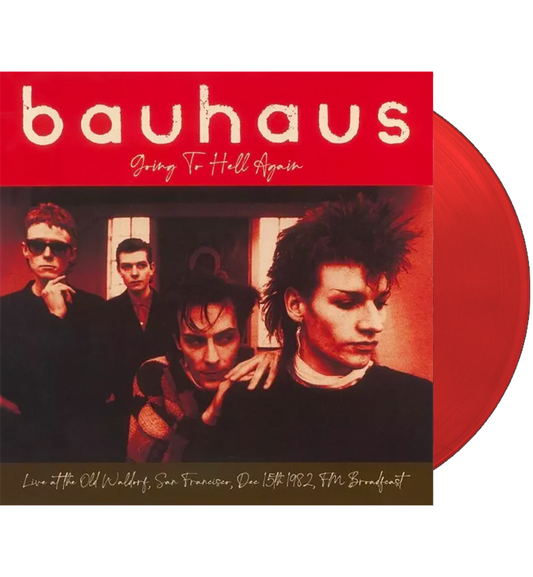
Bauhaus – Going To Hell Again: Live in San Francisco, 1982 (Limited Edition on Red Vinyl)
Regular price £29.99 GBPRegular priceUnit price per -
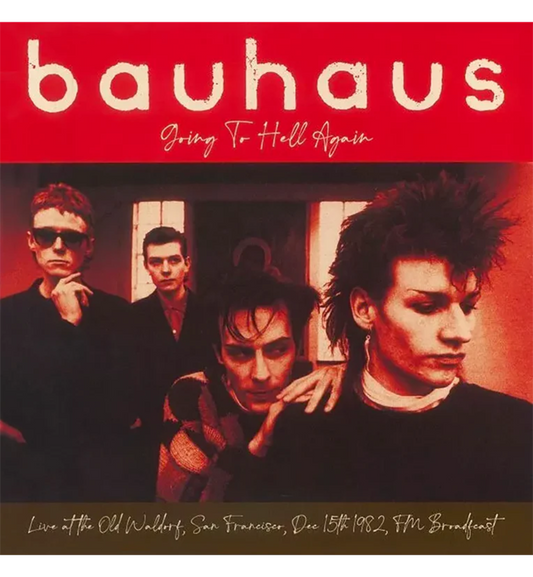
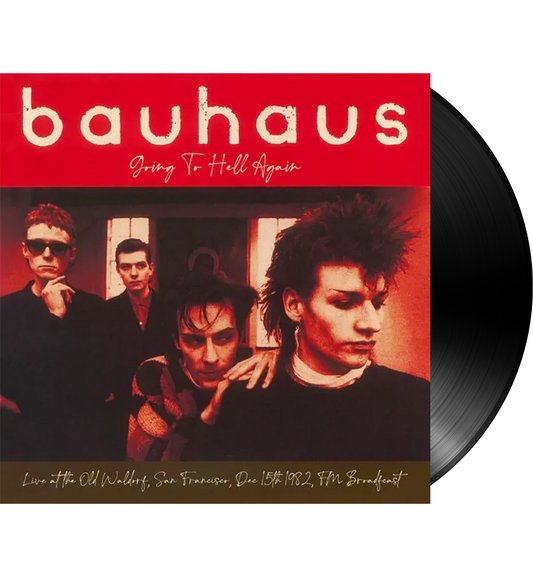
Bauhaus – Going To Hell Again: Live at the Old Waldorf, San Francisco, 1982 (12-Inch Album)
Regular price £24.99 GBPRegular priceUnit price per
BAUHAUS History

Bauhaus formed in Northampton, England, in 1978. Combining post-punk, art rock, experimental music and dark theatrical performances, Bauhaus created a sound and visual identity that would inspire generations of musicians and help define an entirely new musical movement.
The original line-up consisted of vocalist Peter Murphy, guitarist Daniel Ash, bassist David J and drummer Kevin Haskins. Originally performing under the name Bauhaus 1919, the group soon shortened their name to Bauhaus, inspired by the famous German art and design movement that shared their experimental and unconventional outlook.
Bela Lugosi’s Dead, released in 1979, established Bauhaus’s use of space, rhythm and theatrical vocals. Its extended arrangement combines a repeated bass figure, sparse percussion and atmospheric guitar, making it an early reference point for gothic rock.
Following the success of their debut single, Bauhaus released a series of critically acclaimed albums including In the Flat Field, Mask, The Sky’s Gone Out and Burning from the Inside. Songs such as Dark Entries, Kick in the Eye, She’s in Parties, Spirit and Lagartija Nick helped establish the band as leaders of the emerging gothic and post-punk scenes.
Bauhaus were part of the post-punk music from which gothic rock developed. Their dark stage presentation and experimental arrangements contributed to that style alongside other artists, rather than representing a genre invented by a single band.
Bauhaus also became known for their dramatic live performances. Peter Murphy’s theatrical stage presence, combined with the band’s atmospheric lighting and dark imagery, created concerts unlike anything audiences had experienced before. Their performances remain legendary among fans, making live recordings and radio broadcasts particularly desirable among collectors.
Bauhaus split in 1983 after Burning from the Inside. The members pursued separate projects: Peter Murphy developed a solo career, while Daniel Ash, David J and Kevin Haskins later formed Love and Rockets.
Despite their relatively short original career, Bauhaus reunited on several occasions. They briefly returned in 1998 for the successful Resurrection Tour, reunited again during the mid-2000s to record the album Go Away White, and have continued to perform together for selected reunion shows. These reunions have introduced the band’s music to entirely new generations of listeners.
Across their recordings, Bauhaus used more than one musical approach. Dub-like space, angular guitar playing, funk rhythms and theatrical singing appear alongside the darker textures most closely associated with the band.
The original studio albums move from the abrasive sound of In the Flat Field to the broader arrangements of Mask and The Sky’s Gone Out. That range provides context for the singles and later reunion recordings.
Bela Lugosi’s Dead began as a standalone single, while In the Flat Field and Mask offer fuller introductions to the band’s album work. Check whether a reissue includes non-album singles or bonus material. For concert releases, the performance date distinguishes the original 1980s group from its later reunion periods.
The original line-up consisted of vocalist Peter Murphy, guitarist Daniel Ash, bassist David J and drummer Kevin Haskins. Originally performing under the name Bauhaus 1919, the group soon shortened their name to Bauhaus, inspired by the famous German art and design movement that shared their experimental and unconventional outlook.
Bela Lugosi’s Dead, released in 1979, established Bauhaus’s use of space, rhythm and theatrical vocals. Its extended arrangement combines a repeated bass figure, sparse percussion and atmospheric guitar, making it an early reference point for gothic rock.
Following the success of their debut single, Bauhaus released a series of critically acclaimed albums including In the Flat Field, Mask, The Sky’s Gone Out and Burning from the Inside. Songs such as Dark Entries, Kick in the Eye, She’s in Parties, Spirit and Lagartija Nick helped establish the band as leaders of the emerging gothic and post-punk scenes.
Bauhaus were part of the post-punk music from which gothic rock developed. Their dark stage presentation and experimental arrangements contributed to that style alongside other artists, rather than representing a genre invented by a single band.
Bauhaus also became known for their dramatic live performances. Peter Murphy’s theatrical stage presence, combined with the band’s atmospheric lighting and dark imagery, created concerts unlike anything audiences had experienced before. Their performances remain legendary among fans, making live recordings and radio broadcasts particularly desirable among collectors.
Bauhaus split in 1983 after Burning from the Inside. The members pursued separate projects: Peter Murphy developed a solo career, while Daniel Ash, David J and Kevin Haskins later formed Love and Rockets.
Despite their relatively short original career, Bauhaus reunited on several occasions. They briefly returned in 1998 for the successful Resurrection Tour, reunited again during the mid-2000s to record the album Go Away White, and have continued to perform together for selected reunion shows. These reunions have introduced the band’s music to entirely new generations of listeners.
Across their recordings, Bauhaus used more than one musical approach. Dub-like space, angular guitar playing, funk rhythms and theatrical singing appear alongside the darker textures most closely associated with the band.
The original studio albums move from the abrasive sound of In the Flat Field to the broader arrangements of Mask and The Sky’s Gone Out. That range provides context for the singles and later reunion recordings.
Bela Lugosi’s Dead began as a standalone single, while In the Flat Field and Mask offer fuller introductions to the band’s album work. Check whether a reissue includes non-album singles or bonus material. For concert releases, the performance date distinguishes the original 1980s group from its later reunion periods.


