
-
The Beatles - Live in Philadelphia 1964: Volume Three - George Harrison Edition (Limited Edition on Clear Vinyl)
Regular price £26.99 GBPRegular priceUnit price per -
The Beatles - Live in Australia 1964: Volume Four - Ringo Starr Edition (Limited Edition on Clear Vinyl)
Regular price £26.99 GBPRegular priceUnit price per -
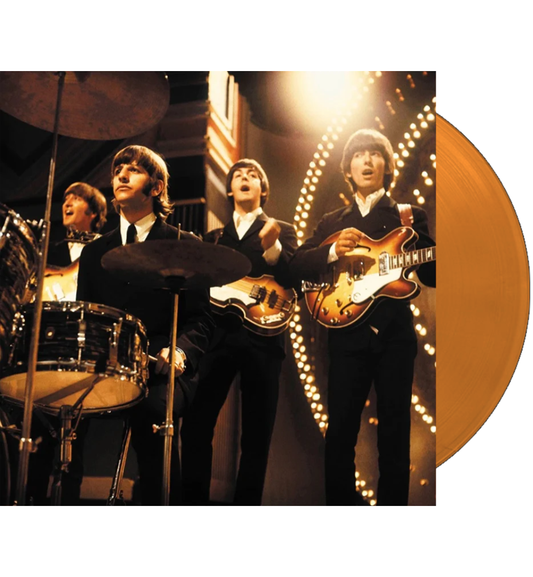
The Beatles – Live: Volume Two (Limited Edition on Orange Vinyl)
Regular price £26.99 GBPRegular priceUnit price per -
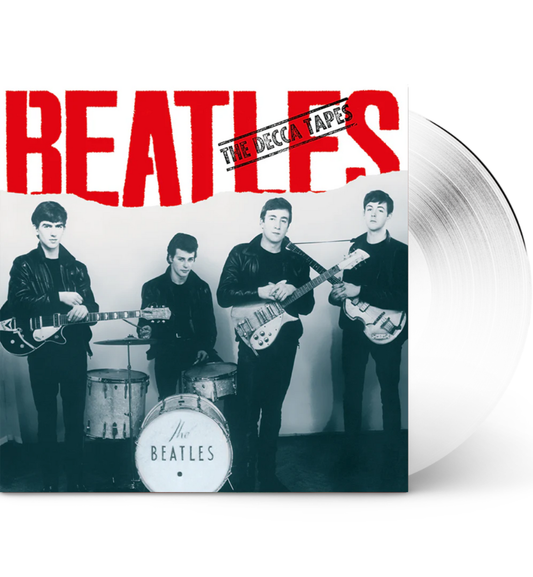
The Beatles – The Decca Tapes (12-Inch Album on 180g Clear Vinyl)
Regular price £29.99 GBPRegular priceUnit price per -
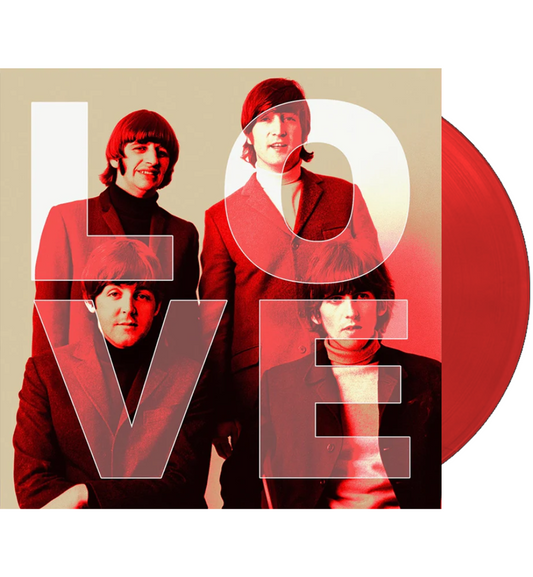
The Beatles - Love Songs (Limited Edition on Red Vinyl)
Regular price £26.99 GBPRegular priceUnit price per -
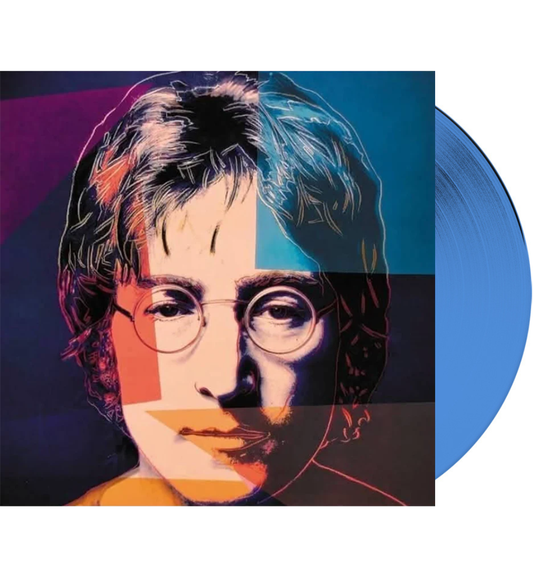
John Lennon – Live in New York 1972 (Limited Edition on Blue Vinyl)
Regular price £26.99 GBPRegular priceUnit price per


THE BEATLES History

The Beatles developed in Liverpool at the start of the 1960s, with John Lennon, Paul McCartney, George Harrison and Ringo Starr forming the line-up heard on their principal studio albums. Their records trace a rapid expansion from compact pop songs to studio experiments, orchestral arrangements and more personal songwriting.
The band’s origins can be traced back to The Quarrymen, a skiffle group founded by John Lennon in 1956. Paul McCartney joined shortly afterwards, followed by George Harrison, while drummer Pete Best completed the early line-up before eventually being replaced by Ringo Starr in 1962. This change proved pivotal, creating the classic Beatles line-up recognised around the world today.
Their breakthrough came after manager Brian Epstein secured a recording contract with producer George Martin at EMI’s Parlophone label. Their first single, Love Me Do, reached the UK charts in 1962, but it was Please Please Me, She Loves You and I Want to Hold Your Hand that launched Beatlemania and transformed the four musicians into international superstars.
Throughout the 1960s, The Beatles released an extraordinary sequence of albums including Please Please Me, A Hard Day’s Night, Help!, Rubber Soul, Revolver, Sgt. Pepper’s Lonely Hearts Club Band, The White Album, Abbey Road and Let It Be. Each release demonstrated remarkable artistic growth and helped redefine what popular music could achieve.
Rubber Soul, Revolver and Sgt. Pepper’s Lonely Hearts Club Band show successive changes in the group’s approach to writing and recording. Acoustic textures, tape effects and arrangements beyond the four-piece band expanded what a Beatles album could contain. Abbey Road later combined individual songs with the connected sequence on its second side.
The Beatles also revolutionised studio recording. Working closely with producer George Martin, they pioneered techniques including tape loops, orchestral arrangements, backwards recording, automatic double tracking and innovative production methods that remain influential today. Albums such as Revolver and Sgt. Pepper fundamentally changed the way records were made.
The Beatles’ breakup had several causes. Growing creative differences, business disagreements, the death of manager Brian Epstein in 1967, financial problems surrounding Apple Corps and increasing personal tensions all contributed to the band’s eventual split. John Lennon privately informed the group of his decision to leave in 1969, while Paul McCartney publicly announced his departure in April 1970, bringing The Beatles’ remarkable career to an end.
After the breakup, all four members enjoyed successful solo careers. John Lennon released classics including Imagine, Paul McCartney formed Wings, George Harrison achieved enormous success with All Things Must Pass, and Ringo Starr enjoyed numerous international hit singles. Their individual work ensured The Beatles’ influence continued long after the group itself had ended.
On 8 December 1980, Lennon was murdered outside his apartment building, The Dakota, in New York City. George Harrison also died in 2001 following a battle with cancer, leaving Paul McCartney and Ringo Starr as the surviving members of the band.
The standard album catalogue brings together the twelve original UK studio albums and the US-originated Magical Mystery Tour. Past Masters collects non-album singles and other tracks, while live recordings and archive releases document material outside that studio sequence.
The Beatles were inducted into the Rock and Roll Hall of Fame in 1988. Songs including Hey Jude, Yesterday, Let It Be, Come Together, Something and A Day in the Life demonstrate the different songwriting voices within the group, from ballads and guitar-led pop to more elaborate studio constructions.
A Beatles vinyl collection involves choices about mixes as well as albums. Mono and stereo editions can contain different balances and details, while UK and US releases do not always share the same running order. Compare the label, catalogue number and included inserts rather than relying on the sleeve title alone. Original editions, later remasters and remixes each represent a different stage in the catalogue’s release history.
The band’s origins can be traced back to The Quarrymen, a skiffle group founded by John Lennon in 1956. Paul McCartney joined shortly afterwards, followed by George Harrison, while drummer Pete Best completed the early line-up before eventually being replaced by Ringo Starr in 1962. This change proved pivotal, creating the classic Beatles line-up recognised around the world today.
Their breakthrough came after manager Brian Epstein secured a recording contract with producer George Martin at EMI’s Parlophone label. Their first single, Love Me Do, reached the UK charts in 1962, but it was Please Please Me, She Loves You and I Want to Hold Your Hand that launched Beatlemania and transformed the four musicians into international superstars.
Throughout the 1960s, The Beatles released an extraordinary sequence of albums including Please Please Me, A Hard Day’s Night, Help!, Rubber Soul, Revolver, Sgt. Pepper’s Lonely Hearts Club Band, The White Album, Abbey Road and Let It Be. Each release demonstrated remarkable artistic growth and helped redefine what popular music could achieve.
Rubber Soul, Revolver and Sgt. Pepper’s Lonely Hearts Club Band show successive changes in the group’s approach to writing and recording. Acoustic textures, tape effects and arrangements beyond the four-piece band expanded what a Beatles album could contain. Abbey Road later combined individual songs with the connected sequence on its second side.
The Beatles also revolutionised studio recording. Working closely with producer George Martin, they pioneered techniques including tape loops, orchestral arrangements, backwards recording, automatic double tracking and innovative production methods that remain influential today. Albums such as Revolver and Sgt. Pepper fundamentally changed the way records were made.
The Beatles’ breakup had several causes. Growing creative differences, business disagreements, the death of manager Brian Epstein in 1967, financial problems surrounding Apple Corps and increasing personal tensions all contributed to the band’s eventual split. John Lennon privately informed the group of his decision to leave in 1969, while Paul McCartney publicly announced his departure in April 1970, bringing The Beatles’ remarkable career to an end.
After the breakup, all four members enjoyed successful solo careers. John Lennon released classics including Imagine, Paul McCartney formed Wings, George Harrison achieved enormous success with All Things Must Pass, and Ringo Starr enjoyed numerous international hit singles. Their individual work ensured The Beatles’ influence continued long after the group itself had ended.
On 8 December 1980, Lennon was murdered outside his apartment building, The Dakota, in New York City. George Harrison also died in 2001 following a battle with cancer, leaving Paul McCartney and Ringo Starr as the surviving members of the band.
The standard album catalogue brings together the twelve original UK studio albums and the US-originated Magical Mystery Tour. Past Masters collects non-album singles and other tracks, while live recordings and archive releases document material outside that studio sequence.
The Beatles were inducted into the Rock and Roll Hall of Fame in 1988. Songs including Hey Jude, Yesterday, Let It Be, Come Together, Something and A Day in the Life demonstrate the different songwriting voices within the group, from ballads and guitar-led pop to more elaborate studio constructions.
A Beatles vinyl collection involves choices about mixes as well as albums. Mono and stereo editions can contain different balances and details, while UK and US releases do not always share the same running order. Compare the label, catalogue number and included inserts rather than relying on the sleeve title alone. Original editions, later remasters and remixes each represent a different stage in the catalogue’s release history.


