
-
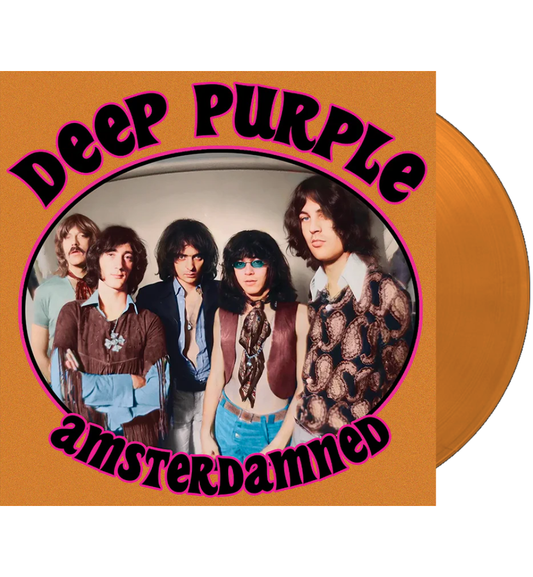
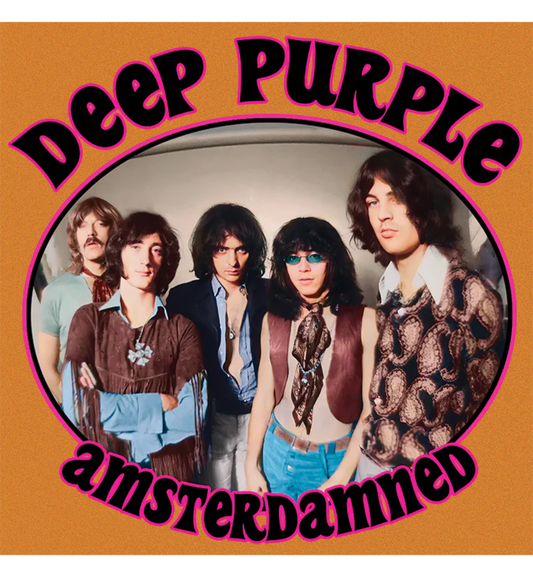
Deep Purple – Amsterdamned (Limited Edition on Orange Vinyl)
Regular price £29.99 GBPRegular priceUnit price per -
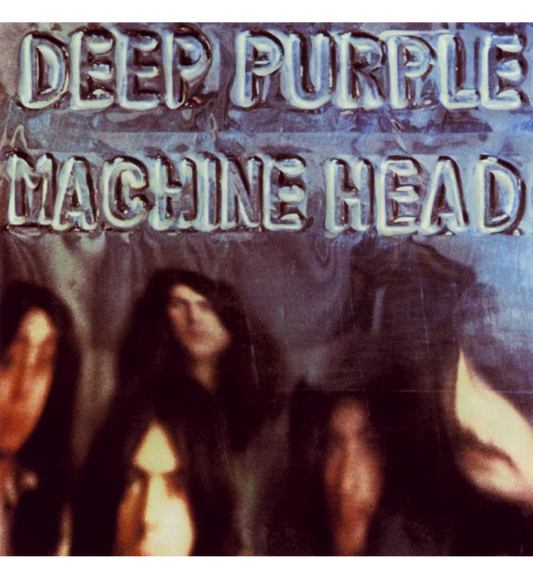
Deep Purple – Machine Head (CD)
Regular price £9.99 GBPRegular priceUnit price per
DEEP PURPLE History

Deep Purple were formed in Hertford, England, in 1968 and are widely recognised as one of the pioneers of hard rock and heavy metal. Alongside Led Zeppelin and Black Sabbath, Deep Purple helped shape the sound of heavy rock during the late 1960s and 1970s. Renowned for their virtuosic musicianship, powerful riffs and unforgettable live performances, the band has sold more than 100 million records worldwide and remains one of Britain’s most influential rock acts.
The original line-up featured Ritchie Blackmore, Jon Lord, Ian Paice, Rod Evans and Nick Simper, releasing their debut album Shades of Deep Purple in 1968. While the band initially found success in America with their version of Hush, it was a change in personnel that transformed Deep Purple into rock legends.
One of the most searched questions about Deep Purple is “What is the classic Deep Purple line-up?” Most fans refer to the Mark II line-up of Ian Gillan, Ritchie Blackmore, Roger Glover, Jon Lord and Ian Paice. This line-up recorded many of the band’s greatest albums and produced some of the most iconic songs in rock history.
Between 1970 and 1973, Deep Purple released an extraordinary run of albums including Deep Purple in Rock, Fireball, Machine Head and Who Do We Think We Are. These records established the band’s reputation for combining heavy guitar riffs with Jon Lord’s classically inspired Hammond organ and Ian Gillan’s soaring vocals.
Many fans ask “What is Deep Purple’s biggest song?” The answer is undoubtedly Smoke on the Water. Released on Machine Head in 1972, its instantly recognisable four-note guitar riff has become one of the most famous in rock history and is often one of the first riffs aspiring guitarists learn to play.
Another frequently searched question is “What is Smoke on the Water about?” The song tells the true story of a fire that destroyed the Montreux Casino in Switzerland during a Frank Zappa concert in December 1971. The band witnessed the fire while preparing to record Machine Head, inspiring one of rock’s greatest storytelling songs.
Deep Purple became equally famous for their extraordinary live performances. Their 1972 album Made in Japan is widely regarded as one of the greatest live rock albums ever recorded, capturing the band’s improvisational brilliance and remarkable musicianship. Tracks such as Highway Star, Child in Time, Lazy and Space Truckin’ became even more legendary through their extended live performances.
Throughout their history, Deep Purple experienced numerous line-up changes. Ritchie Blackmore left and returned on multiple occasions, while legendary vocalist Ian Gillan also departed before later rejoining. Despite these changes, drummer Ian Paice has remained the band’s only constant member since its formation.
Fans also frequently ask “Are Deep Purple still together?” The answer is yes. More than five decades after forming, the band continues to record new music and tour internationally. Although founding keyboard player Jon Lord died in 2012 following a battle with pancreatic cancer, his contribution to rock music remains immeasurable and continues to influence keyboard players around the world.
Deep Purple were inducted into the Rock and Roll Hall of Fame in 2016 after years of calls from fans and critics. Their influence can be heard across hard rock, heavy metal and progressive rock, inspiring bands including Iron Maiden, Metallica, Judas Priest, Dream Theater, Van Halen and countless others.
Today, Deep Purple vinyl records remain among the most collectible in classic rock. Original UK Harvest and Purple Records pressings of Deep Purple in Rock, Fireball, Machine Head, Who Do We Think We Are, Burn, Stormbringer and Made in Japan, together with anniversary editions, coloured vinyl releases and rare live recordings, continue to be highly sought after by collectors. Whether you’re discovering the band through Smoke on the Water or exploring their remarkable catalogue, Deep Purple remain one of the essential names in rock history.
The original line-up featured Ritchie Blackmore, Jon Lord, Ian Paice, Rod Evans and Nick Simper, releasing their debut album Shades of Deep Purple in 1968. While the band initially found success in America with their version of Hush, it was a change in personnel that transformed Deep Purple into rock legends.
One of the most searched questions about Deep Purple is “What is the classic Deep Purple line-up?” Most fans refer to the Mark II line-up of Ian Gillan, Ritchie Blackmore, Roger Glover, Jon Lord and Ian Paice. This line-up recorded many of the band’s greatest albums and produced some of the most iconic songs in rock history.
Between 1970 and 1973, Deep Purple released an extraordinary run of albums including Deep Purple in Rock, Fireball, Machine Head and Who Do We Think We Are. These records established the band’s reputation for combining heavy guitar riffs with Jon Lord’s classically inspired Hammond organ and Ian Gillan’s soaring vocals.
Many fans ask “What is Deep Purple’s biggest song?” The answer is undoubtedly Smoke on the Water. Released on Machine Head in 1972, its instantly recognisable four-note guitar riff has become one of the most famous in rock history and is often one of the first riffs aspiring guitarists learn to play.
Another frequently searched question is “What is Smoke on the Water about?” The song tells the true story of a fire that destroyed the Montreux Casino in Switzerland during a Frank Zappa concert in December 1971. The band witnessed the fire while preparing to record Machine Head, inspiring one of rock’s greatest storytelling songs.
Deep Purple became equally famous for their extraordinary live performances. Their 1972 album Made in Japan is widely regarded as one of the greatest live rock albums ever recorded, capturing the band’s improvisational brilliance and remarkable musicianship. Tracks such as Highway Star, Child in Time, Lazy and Space Truckin’ became even more legendary through their extended live performances.
Throughout their history, Deep Purple experienced numerous line-up changes. Ritchie Blackmore left and returned on multiple occasions, while legendary vocalist Ian Gillan also departed before later rejoining. Despite these changes, drummer Ian Paice has remained the band’s only constant member since its formation.
Fans also frequently ask “Are Deep Purple still together?” The answer is yes. More than five decades after forming, the band continues to record new music and tour internationally. Although founding keyboard player Jon Lord died in 2012 following a battle with pancreatic cancer, his contribution to rock music remains immeasurable and continues to influence keyboard players around the world.
Deep Purple were inducted into the Rock and Roll Hall of Fame in 2016 after years of calls from fans and critics. Their influence can be heard across hard rock, heavy metal and progressive rock, inspiring bands including Iron Maiden, Metallica, Judas Priest, Dream Theater, Van Halen and countless others.
Today, Deep Purple vinyl records remain among the most collectible in classic rock. Original UK Harvest and Purple Records pressings of Deep Purple in Rock, Fireball, Machine Head, Who Do We Think We Are, Burn, Stormbringer and Made in Japan, together with anniversary editions, coloured vinyl releases and rare live recordings, continue to be highly sought after by collectors. Whether you’re discovering the band through Smoke on the Water or exploring their remarkable catalogue, Deep Purple remain one of the essential names in rock history.


