
-
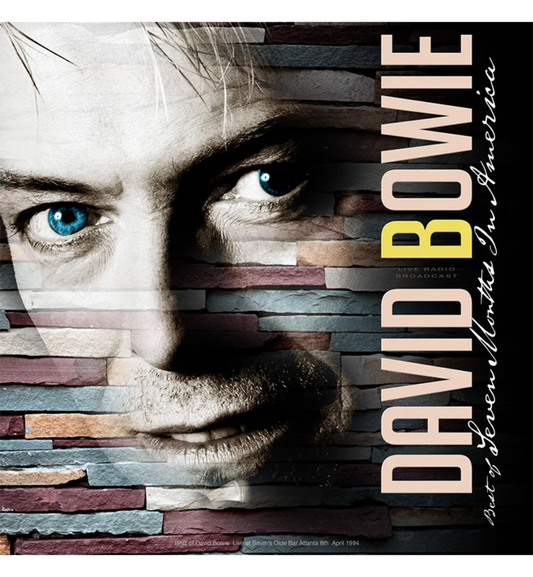
David Bowie – Best of Seven Months in America (12-Inch Album on 180g Vinyl)
Regular price £19.99 GBPRegular priceUnit price per£24.99 GBPSale price £19.99 GBPSale -
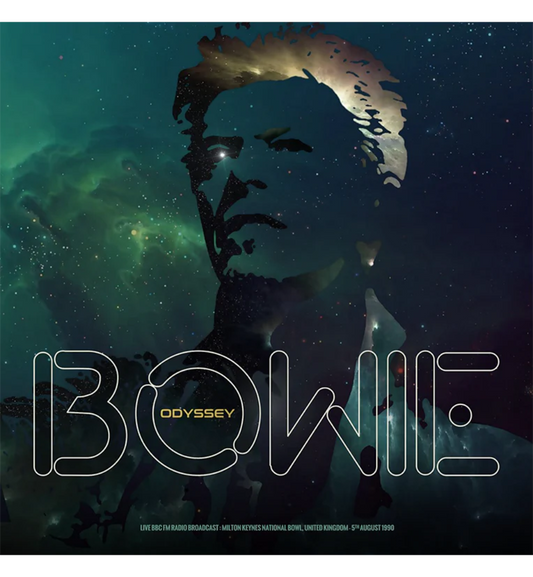
David Bowie – Odyssey: Live in Milton Keynes, 1990 (Special Edition on Yellow Vinyl)
Regular price £26.99 GBPRegular priceUnit price per -
David Bowie - Live in Montreal 1983 (Vinyl Picture Disc)
Regular price £26.99 GBPRegular priceUnit price per -
David Bowie – We Could Be Heroes: The Sound+Vision Concerts (7-CD + 1-DVD Set)
Regular price £12.99 GBPRegular priceUnit price per£17.99 GBPSale price £12.99 GBPSale -
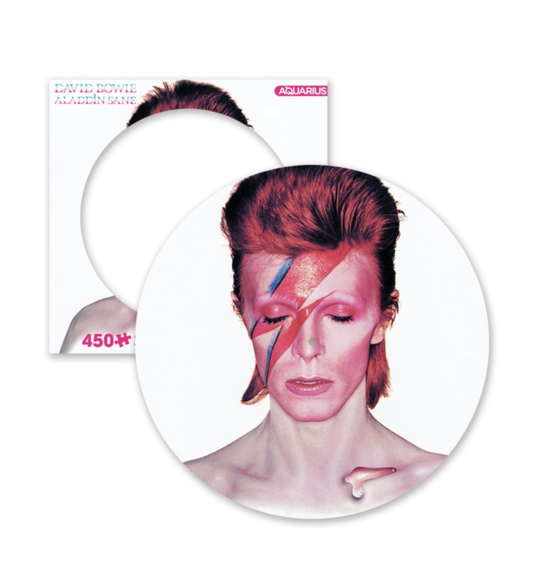
David Bowie - Aladdin Sane - 450 Piece Picture Disc Puzzle
Regular price £19.99 GBPRegular priceUnit price per -
David Bowie - Why Bowie Matters (Hardback Book)
Regular price £9.99 GBPRegular priceUnit price per






DAVID BOWIE History

David Bowie was born David Robert Jones on 8 January 1947 in Brixton, London, and is widely regarded as one of the most influential and innovative artists in the history of popular music. Throughout a career spanning more than five decades, Bowie constantly reinvented himself, creating groundbreaking music that crossed rock, glam, soul, funk, electronic, jazz and experimental genres while inspiring countless musicians around the world.
Before finding international success, Bowie spent much of the 1960s performing with various bands and experimenting with different musical styles. To avoid confusion with Davy Jones of The Monkees, he adopted the stage name David Bowie, inspired by the Bowie knife. Although his early recordings attracted little commercial attention, they demonstrated the creativity and ambition that would later define his extraordinary career.
His breakthrough came in 1969 with Space Oddity, released to coincide with the Apollo 11 Moon landing. The song introduced audiences to the fictional astronaut Major Tom, one of Bowie’s most enduring characters, and became his first major hit. Many fans still search “What was David Bowie’s first hit?”, with Space Oddity marking the beginning of his rise to international fame.
During the early 1970s Bowie transformed himself into Ziggy Stardust, an androgynous alien rock star whose theatrical performances revolutionised glam rock. The album The Rise and Fall of Ziggy Stardust and the Spiders from Mars is widely regarded as one of the greatest rock albums ever made, featuring classics including Starman, Suffragette City, Rock ‘n’ Roll Suicide and Ziggy Stardust. Ziggy became one of the most iconic characters in music history and helped redefine the relationship between rock music, fashion and performance.
One of the most common questions people ask is “Why did David Bowie kill off Ziggy Stardust?” In 1973, at the height of Ziggy’s popularity, Bowie shocked fans by announcing the retirement of the character during a live concert at London’s Hammersmith Odeon. The decision reflected Bowie’s determination to continually evolve rather than become trapped by a single musical identity.
Throughout the 1970s Bowie entered an astonishing period of creativity. Albums such as Aladdin Sane, Diamond Dogs, Young Americans, Station to Station, Low, “Heroes” and Lodger demonstrated his remarkable ability to reinvent his sound. Collaborations with producer Tony Visconti and Brian Eno during the celebrated Berlin Trilogy fundamentally changed the direction of electronic and alternative music.
The song Heroes has become one of Bowie’s defining recordings. Inspired by a couple embracing near the Berlin Wall, it remains one of the most celebrated songs in rock history and continues to feature prominently in films, television and major public events.
Fans also frequently search “Was David Bowie addicted to drugs?” During the mid-1970s Bowie openly struggled with cocaine addiction while living in Los Angeles. His deteriorating health prompted him to relocate to Berlin, where he rebuilt his life and creative focus. This period produced some of the most acclaimed albums of his career and is often regarded as one of the greatest artistic reinventions in modern music.
The 1980s brought Bowie his biggest commercial success with Let’s Dance, produced by Nile Rodgers. Featuring worldwide hits including Let’s Dance, China Girl and Modern Love, the album introduced Bowie to a new generation of listeners while becoming one of the best-selling records of his career.
Unlike many artists who remain tied to one style, Bowie continued experimenting throughout the 1990s and 2000s, embracing industrial rock, electronic music and alternative sounds. His willingness to challenge expectations ensured he remained one of music’s most respected creative figures.
One of the most searched events surrounding Bowie is his death. On 10 January 2016, just two days after his 69th birthday and the release of his final studio album, Blackstar, David Bowie died from liver cancer following an illness he had kept private from the public. His death shocked fans around the world, while Blackstar was immediately recognised as an extraordinary artistic farewell, filled with references to mortality, legacy and creativity.
Many listeners also ask “What was David Bowie’s last album?” The answer is Blackstar, now widely regarded as one of the most remarkable final albums ever recorded. Critics praised both its musical ambition and the emotional impact created by its release immediately before Bowie’s death.
David Bowie sold more than 140 million records worldwide and was inducted into the Rock and Roll Hall of Fame in 1996. His influence extends across rock, pop, electronic music, fashion, film and visual art, while artists ranging from U2 and Madonna to Radiohead, Nine Inch Nails and Lady Gaga have cited him as a major inspiration.
Today, David Bowie vinyl records remain among the most collectible in popular music. Original UK RCA pressings of The Rise and Fall of Ziggy Stardust, Hunky Dory, Aladdin Sane, Station to Station, Low, “Heroes”, Scary Monsters and Blackstar, alongside limited edition coloured vinyl releases, anniversary editions and rare live recordings, continue to command strong interest from collectors worldwide. Whether you’re discovering Bowie through Ziggy Stardust or exploring his later experimental work, his catalogue remains one of the most essential collections in rock history.
Before finding international success, Bowie spent much of the 1960s performing with various bands and experimenting with different musical styles. To avoid confusion with Davy Jones of The Monkees, he adopted the stage name David Bowie, inspired by the Bowie knife. Although his early recordings attracted little commercial attention, they demonstrated the creativity and ambition that would later define his extraordinary career.
His breakthrough came in 1969 with Space Oddity, released to coincide with the Apollo 11 Moon landing. The song introduced audiences to the fictional astronaut Major Tom, one of Bowie’s most enduring characters, and became his first major hit. Many fans still search “What was David Bowie’s first hit?”, with Space Oddity marking the beginning of his rise to international fame.
During the early 1970s Bowie transformed himself into Ziggy Stardust, an androgynous alien rock star whose theatrical performances revolutionised glam rock. The album The Rise and Fall of Ziggy Stardust and the Spiders from Mars is widely regarded as one of the greatest rock albums ever made, featuring classics including Starman, Suffragette City, Rock ‘n’ Roll Suicide and Ziggy Stardust. Ziggy became one of the most iconic characters in music history and helped redefine the relationship between rock music, fashion and performance.
One of the most common questions people ask is “Why did David Bowie kill off Ziggy Stardust?” In 1973, at the height of Ziggy’s popularity, Bowie shocked fans by announcing the retirement of the character during a live concert at London’s Hammersmith Odeon. The decision reflected Bowie’s determination to continually evolve rather than become trapped by a single musical identity.
Throughout the 1970s Bowie entered an astonishing period of creativity. Albums such as Aladdin Sane, Diamond Dogs, Young Americans, Station to Station, Low, “Heroes” and Lodger demonstrated his remarkable ability to reinvent his sound. Collaborations with producer Tony Visconti and Brian Eno during the celebrated Berlin Trilogy fundamentally changed the direction of electronic and alternative music.
The song Heroes has become one of Bowie’s defining recordings. Inspired by a couple embracing near the Berlin Wall, it remains one of the most celebrated songs in rock history and continues to feature prominently in films, television and major public events.
Fans also frequently search “Was David Bowie addicted to drugs?” During the mid-1970s Bowie openly struggled with cocaine addiction while living in Los Angeles. His deteriorating health prompted him to relocate to Berlin, where he rebuilt his life and creative focus. This period produced some of the most acclaimed albums of his career and is often regarded as one of the greatest artistic reinventions in modern music.
The 1980s brought Bowie his biggest commercial success with Let’s Dance, produced by Nile Rodgers. Featuring worldwide hits including Let’s Dance, China Girl and Modern Love, the album introduced Bowie to a new generation of listeners while becoming one of the best-selling records of his career.
Unlike many artists who remain tied to one style, Bowie continued experimenting throughout the 1990s and 2000s, embracing industrial rock, electronic music and alternative sounds. His willingness to challenge expectations ensured he remained one of music’s most respected creative figures.
One of the most searched events surrounding Bowie is his death. On 10 January 2016, just two days after his 69th birthday and the release of his final studio album, Blackstar, David Bowie died from liver cancer following an illness he had kept private from the public. His death shocked fans around the world, while Blackstar was immediately recognised as an extraordinary artistic farewell, filled with references to mortality, legacy and creativity.
Many listeners also ask “What was David Bowie’s last album?” The answer is Blackstar, now widely regarded as one of the most remarkable final albums ever recorded. Critics praised both its musical ambition and the emotional impact created by its release immediately before Bowie’s death.
David Bowie sold more than 140 million records worldwide and was inducted into the Rock and Roll Hall of Fame in 1996. His influence extends across rock, pop, electronic music, fashion, film and visual art, while artists ranging from U2 and Madonna to Radiohead, Nine Inch Nails and Lady Gaga have cited him as a major inspiration.
Today, David Bowie vinyl records remain among the most collectible in popular music. Original UK RCA pressings of The Rise and Fall of Ziggy Stardust, Hunky Dory, Aladdin Sane, Station to Station, Low, “Heroes”, Scary Monsters and Blackstar, alongside limited edition coloured vinyl releases, anniversary editions and rare live recordings, continue to command strong interest from collectors worldwide. Whether you’re discovering Bowie through Ziggy Stardust or exploring his later experimental work, his catalogue remains one of the most essential collections in rock history.


