-
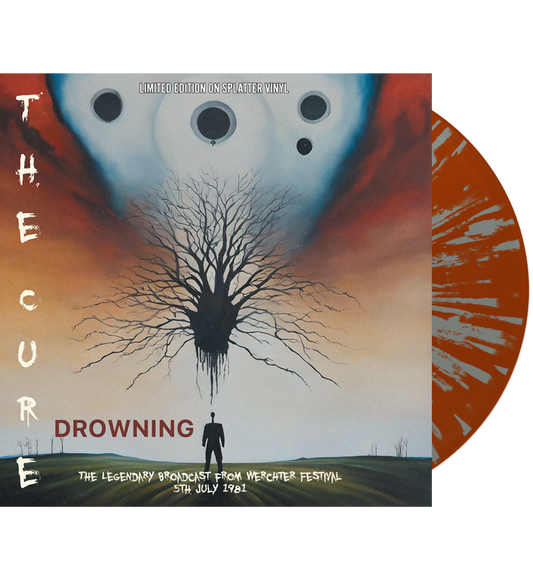
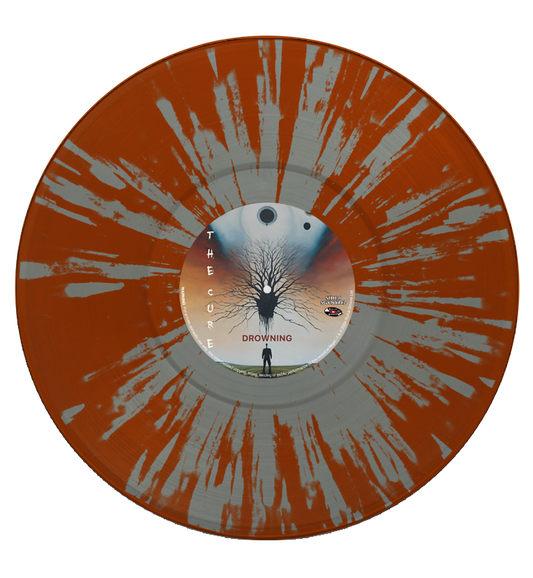
The Cure - Drowning (Limited Edition on Splatter Vinyl)
Regular price £26.99 GBPRegular priceUnit price per -
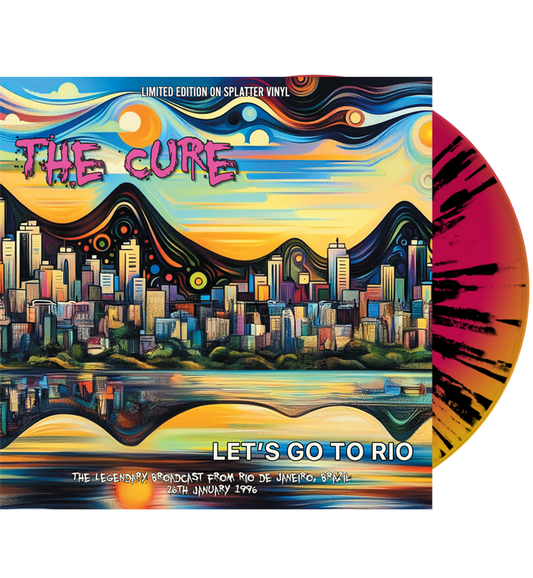
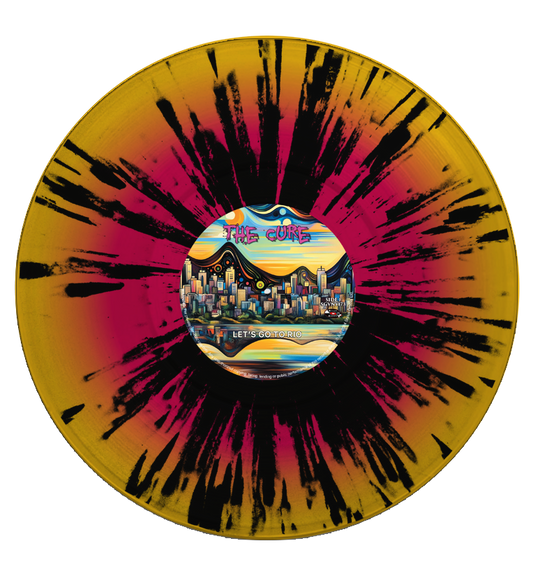
The Cure - Let's Go To Rio (Limited Edition on Splatter Vinyl)
Regular price £26.99 GBPRegular priceUnit price per -
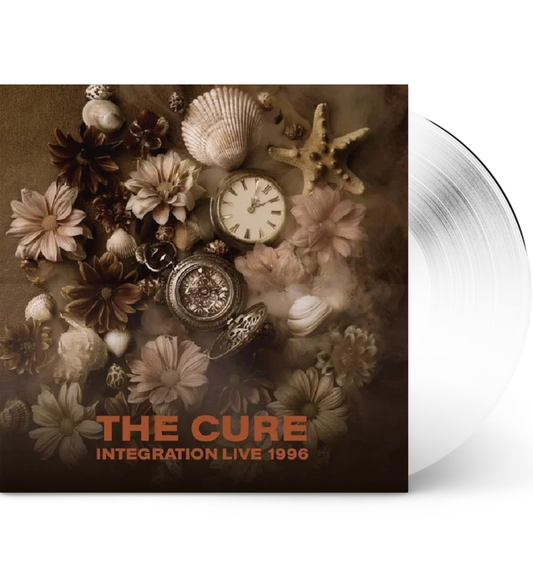
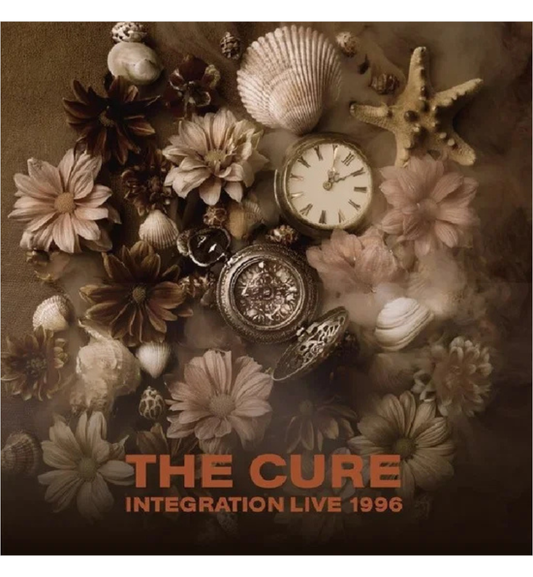
The Cure – Integration Live 1996 (2LP Clear Vinyl)
Regular price £39.99 GBPRegular priceUnit price per -
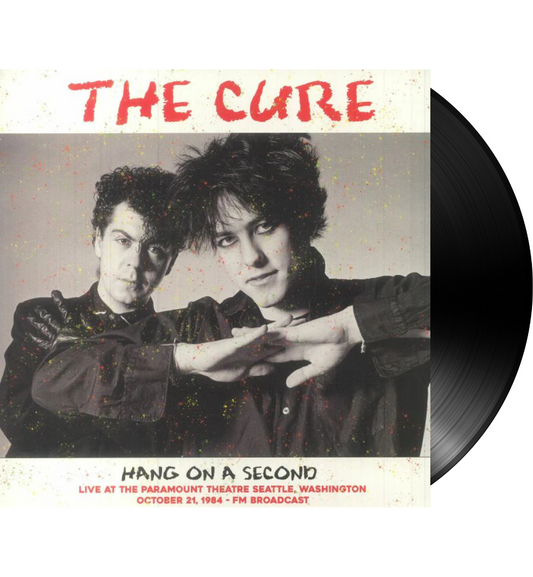
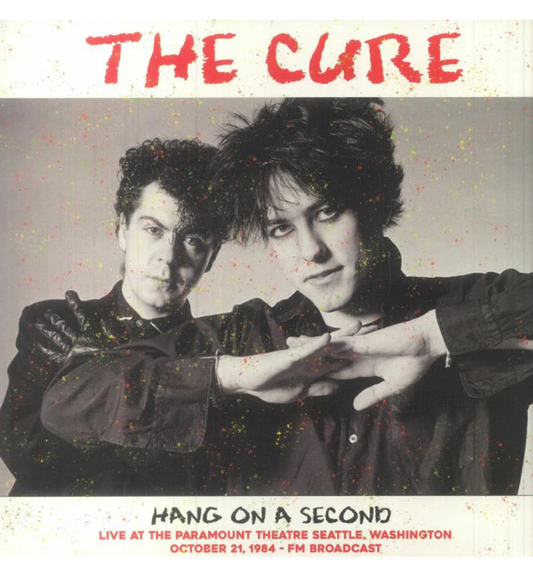
The Cure - Hang On A Second: Live at the Paramount Theatre, Seattle, 1984 (Limited Edition 12-Inch album)
Regular price £24.99 GBPRegular priceUnit price per -
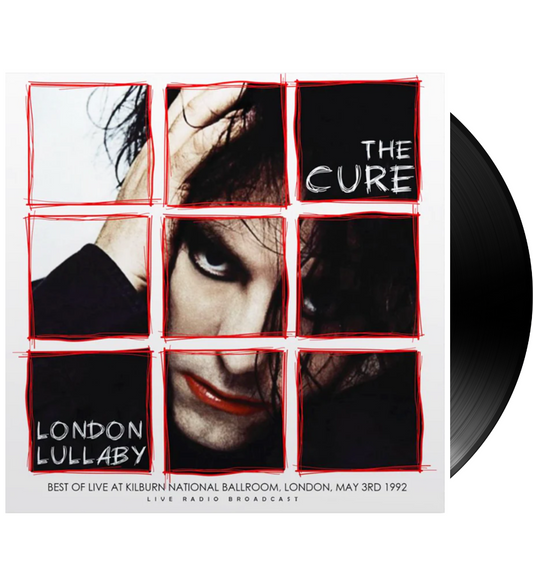
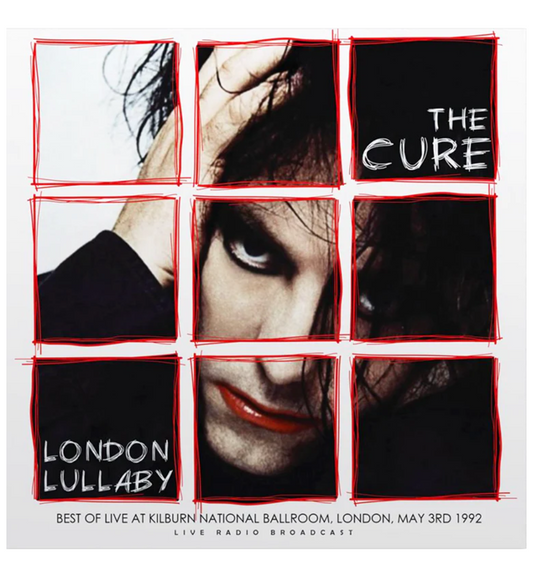
The Cure – London Lullaby: Live at the Kilburn National Ballroom, London 1992 (12-Inch Album on 180g Vinyl)
Regular price £24.99 GBPRegular priceUnit price per
THE CURE History

The Cure developed from Robert Smith’s school bands in Crawley, West Sussex. In 1978, Easy Cure shortened their name to The Cure, with Smith, bassist Michael Dempsey and drummer Lol Tolhurst forming the trio that recorded the debut album. Emerging from the post-punk explosion of the late 1970s, the band continually reinvented their sound, moving effortlessly between dark gothic atmospheres, jangly pop, new wave and alternative rock. That range of styles is audible across the studio albums and singles.
The band’s debut album, Three Imaginary Boys, was released in 1979 and introduced Robert Smith’s distinctive songwriting style. While the album hinted at the band’s future potential, it was the darker and more introspective records that followed which established The Cure as pioneers of gothic rock.
Disintegration, released in 1989, built its atmosphere through layered guitars, keyboards and extended arrangements. Lovesong, Pictures of You, Fascination Street and Lullaby connect that expansive sound with concise melodies and Robert Smith’s distinctive voice.
Throughout the early 1980s, The Cure released a remarkable trilogy of albums—Seventeen Seconds, Faith and Pornography—that defined the gothic rock movement. Their bleak, atmospheric sound and emotionally honest lyrics earned the band a devoted international following while influencing countless artists across post-punk, shoegaze and alternative music.
Despite their reputation for melancholy, The Cure also enjoyed enormous success with brighter pop-oriented singles. Songs such as Just Like Heaven, Friday I’m in Love, Close to Me, In Between Days, The Lovecats and Why Can’t I Be You? demonstrated the band’s remarkable ability to write infectious pop songs without sacrificing their distinctive identity.
Robert Smith’s smudged lipstick, dark eyeliner and tousled hair became a recognisable part of The Cure’s visual identity. That image accompanies a catalogue whose musical range extends from sombre, sustained pieces to bright pop singles.
Smith has led The Cure through successive line-ups. His voice and songwriting provide a connection between the early records and later albums, while the musicians around him have contributed to the group’s changing sound.
Kiss Me, Kiss Me, Kiss Me (1987), Disintegration (1989) and Wish (1992) expanded The Cure’s international audience. Wild Mood Swings followed in 1996, after further changes to the line-up.
The Cure released Songs of a Lost World on 1 November 2024, sixteen years after their previous studio album. Its opening track Alone returns to the long instrumental introductions and reflective mood heard in parts of the band’s earlier work.
The Cure were inducted into the Rock and Roll Hall of Fame in 2019, recognising their enormous contribution to alternative music. Their influence can be heard in artists including Interpol, My Chemical Romance, Smashing Pumpkins, Placebo, Editors, The Killers and countless others.
Seventeen Seconds, Faith and Pornography explore The Cure’s darker early sound, while The Head on the Door and Kiss Me, Kiss Me, Kiss Me show their broader pop palette. Disintegration and Songs of a Lost World offer more expansive album experiences. With live records, check the concert year and track list, since similar titles can refer to different performances.
The band’s debut album, Three Imaginary Boys, was released in 1979 and introduced Robert Smith’s distinctive songwriting style. While the album hinted at the band’s future potential, it was the darker and more introspective records that followed which established The Cure as pioneers of gothic rock.
Disintegration, released in 1989, built its atmosphere through layered guitars, keyboards and extended arrangements. Lovesong, Pictures of You, Fascination Street and Lullaby connect that expansive sound with concise melodies and Robert Smith’s distinctive voice.
Throughout the early 1980s, The Cure released a remarkable trilogy of albums—Seventeen Seconds, Faith and Pornography—that defined the gothic rock movement. Their bleak, atmospheric sound and emotionally honest lyrics earned the band a devoted international following while influencing countless artists across post-punk, shoegaze and alternative music.
Despite their reputation for melancholy, The Cure also enjoyed enormous success with brighter pop-oriented singles. Songs such as Just Like Heaven, Friday I’m in Love, Close to Me, In Between Days, The Lovecats and Why Can’t I Be You? demonstrated the band’s remarkable ability to write infectious pop songs without sacrificing their distinctive identity.
Robert Smith’s smudged lipstick, dark eyeliner and tousled hair became a recognisable part of The Cure’s visual identity. That image accompanies a catalogue whose musical range extends from sombre, sustained pieces to bright pop singles.
Smith has led The Cure through successive line-ups. His voice and songwriting provide a connection between the early records and later albums, while the musicians around him have contributed to the group’s changing sound.
Kiss Me, Kiss Me, Kiss Me (1987), Disintegration (1989) and Wish (1992) expanded The Cure’s international audience. Wild Mood Swings followed in 1996, after further changes to the line-up.
The Cure released Songs of a Lost World on 1 November 2024, sixteen years after their previous studio album. Its opening track Alone returns to the long instrumental introductions and reflective mood heard in parts of the band’s earlier work.
The Cure were inducted into the Rock and Roll Hall of Fame in 2019, recognising their enormous contribution to alternative music. Their influence can be heard in artists including Interpol, My Chemical Romance, Smashing Pumpkins, Placebo, Editors, The Killers and countless others.
Seventeen Seconds, Faith and Pornography explore The Cure’s darker early sound, while The Head on the Door and Kiss Me, Kiss Me, Kiss Me show their broader pop palette. Disintegration and Songs of a Lost World offer more expansive album experiences. With live records, check the concert year and track list, since similar titles can refer to different performances.


