
-
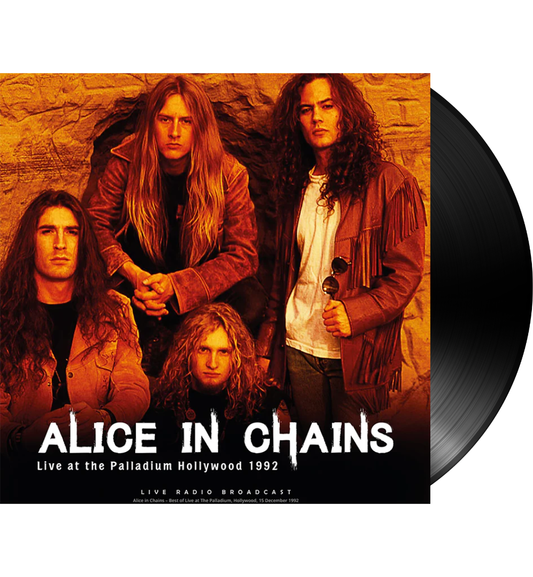
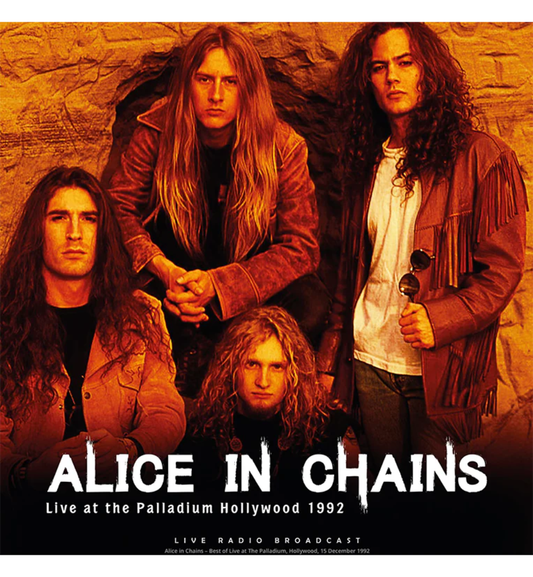
Alice in Chains – Live at the Palladium Hollywood 1992 (12-Inch Album on 180g Vinyl)
Regular price £24.99 GBPRegular priceUnit price per -
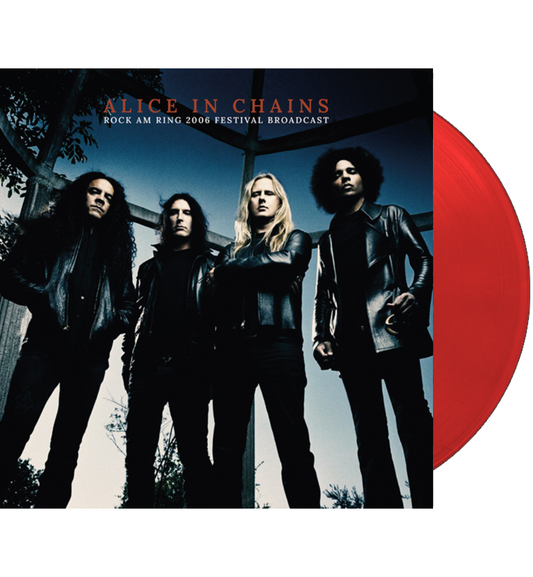
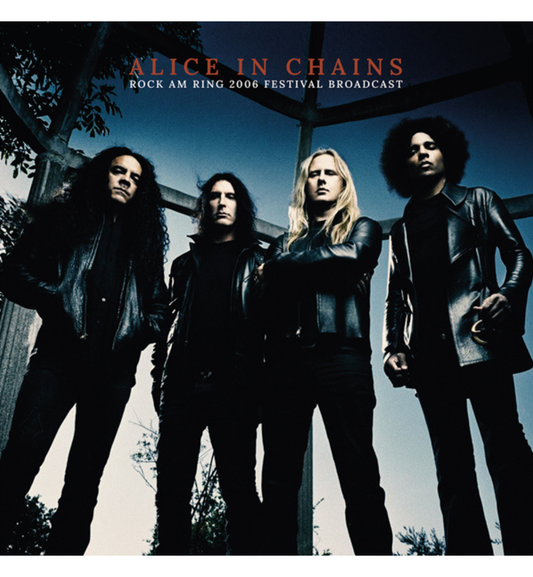
Alice in Chains – Rock am Ring 2006 (12-Inch Album on Red Vinyl)
Regular price £29.99 GBPRegular priceUnit price per
ALICE IN CHAINS History

Alice in Chains were formed in Seattle, Washington, in 1987 and quickly became one of the defining bands of the grunge movement that transformed rock music during the early 1990s. Alongside Nirvana, Pearl Jam and Soundgarden, they helped bring the Seattle sound to a global audience, although their darker, heavier style often blurred the line between grunge and heavy metal.
The band’s classic line-up featured guitarist and songwriter Jerry Cantrell, vocalist Layne Staley, bassist Mike Starr and drummer Sean Kinney. Cantrell’s distinctive guitar work, combined with Staley’s haunting voice and the band’s trademark vocal harmonies, created a sound unlike anything else in rock music at the time.
Alice in Chains achieved international success with their debut album, Facelift, released in 1990. The album featured Man in the Box, which became one of the defining songs of the grunge era and remains one of the band’s best-known recordings. Its heavy riffs and unforgettable chorus introduced Alice in Chains to audiences around the world and helped establish them as one of the most exciting new rock bands of the decade.
Dirt, released in 1992, brought together Would?, Rooster, Down in a Hole, Them Bones and Angry Chair. Its heavy guitar sound and close vocal harmonies accompany material about addiction, conflict and personal struggle, extending the approach introduced on Facelift.
Alice in Chains incorporated heavy metal influences into their music. Jerry Cantrell’s crushing guitar riffs and Layne Staley’s emotionally charged vocals gave the band a darker and heavier identity that appealed equally to rock and metal audiences.
Layne Staley’s struggles with addiction contributed to long periods away from recording and performance. He died in Seattle in April 2002 at the age of 34, ending the possibility of further recordings with the band’s original lead singer.
After a 2005 benefit-show reunion, Alice in Chains began performing with vocalist and guitarist William DuVall in 2006. DuVall brought his own vocal style to the partnership with Jerry Cantrell, and the band went on to record new studio albums.
Black Gives Way to Blue appeared in 2009, followed by The Devil Put Dinosaurs Here and Rainier Fog. The title track of Black Gives Way to Blue served as a moving tribute to Layne Staley and demonstrated the band’s ability to honour their past while continuing to evolve.
William DuVall shares vocal and guitar duties with Jerry Cantrell on Black Gives Way to Blue, alongside Mike Inez on bass and Sean Kinney on drums. This line-up carried the band into a new recording period while retaining its emphasis on vocal harmonies and heavy guitar textures.
Alice in Chains connect Seattle’s alternative rock scene with heavier guitar music. Their combination of heavy riffs, haunting melodies and emotionally honest songwriting has inspired generations of musicians across rock, metal and alternative music.
Facelift and Dirt capture the heavier side of the early catalogue, while Jar of Flies provides a more acoustic setting. Black Gives Way to Blue begins the studio-album period with William DuVall. For concert recordings and reissues, the performance date, line-up and included tracks are useful ways to distinguish releases.
The band’s classic line-up featured guitarist and songwriter Jerry Cantrell, vocalist Layne Staley, bassist Mike Starr and drummer Sean Kinney. Cantrell’s distinctive guitar work, combined with Staley’s haunting voice and the band’s trademark vocal harmonies, created a sound unlike anything else in rock music at the time.
Alice in Chains achieved international success with their debut album, Facelift, released in 1990. The album featured Man in the Box, which became one of the defining songs of the grunge era and remains one of the band’s best-known recordings. Its heavy riffs and unforgettable chorus introduced Alice in Chains to audiences around the world and helped establish them as one of the most exciting new rock bands of the decade.
Dirt, released in 1992, brought together Would?, Rooster, Down in a Hole, Them Bones and Angry Chair. Its heavy guitar sound and close vocal harmonies accompany material about addiction, conflict and personal struggle, extending the approach introduced on Facelift.
Alice in Chains incorporated heavy metal influences into their music. Jerry Cantrell’s crushing guitar riffs and Layne Staley’s emotionally charged vocals gave the band a darker and heavier identity that appealed equally to rock and metal audiences.
Layne Staley’s struggles with addiction contributed to long periods away from recording and performance. He died in Seattle in April 2002 at the age of 34, ending the possibility of further recordings with the band’s original lead singer.
After a 2005 benefit-show reunion, Alice in Chains began performing with vocalist and guitarist William DuVall in 2006. DuVall brought his own vocal style to the partnership with Jerry Cantrell, and the band went on to record new studio albums.
Black Gives Way to Blue appeared in 2009, followed by The Devil Put Dinosaurs Here and Rainier Fog. The title track of Black Gives Way to Blue served as a moving tribute to Layne Staley and demonstrated the band’s ability to honour their past while continuing to evolve.
William DuVall shares vocal and guitar duties with Jerry Cantrell on Black Gives Way to Blue, alongside Mike Inez on bass and Sean Kinney on drums. This line-up carried the band into a new recording period while retaining its emphasis on vocal harmonies and heavy guitar textures.
Alice in Chains connect Seattle’s alternative rock scene with heavier guitar music. Their combination of heavy riffs, haunting melodies and emotionally honest songwriting has inspired generations of musicians across rock, metal and alternative music.
Facelift and Dirt capture the heavier side of the early catalogue, while Jar of Flies provides a more acoustic setting. Black Gives Way to Blue begins the studio-album period with William DuVall. For concert recordings and reissues, the performance date, line-up and included tracks are useful ways to distinguish releases.


