
-
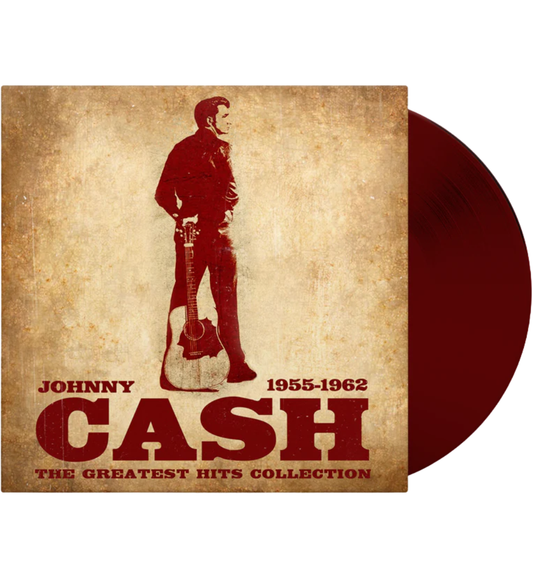
Johnny Cash – The Greatest Hits Collection 1955–1962 (Limited Edition on 180g Maroon Vinyl)
Regular price £26.99 GBPRegular priceUnit price per -
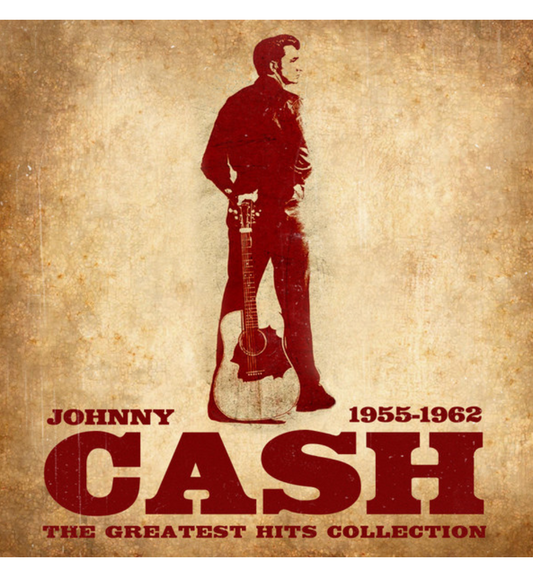
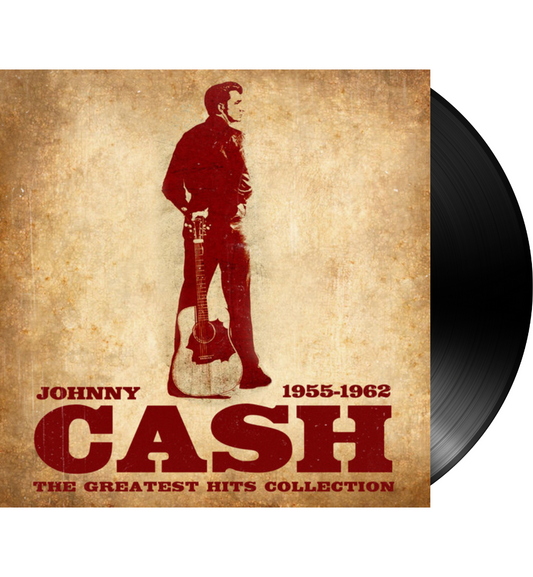
Johnny Cash – The Greatest Hits Collection 1955–1962 (12-Inch Album on 180g Vinyl)
Regular price £24.99 GBPRegular priceUnit price per -
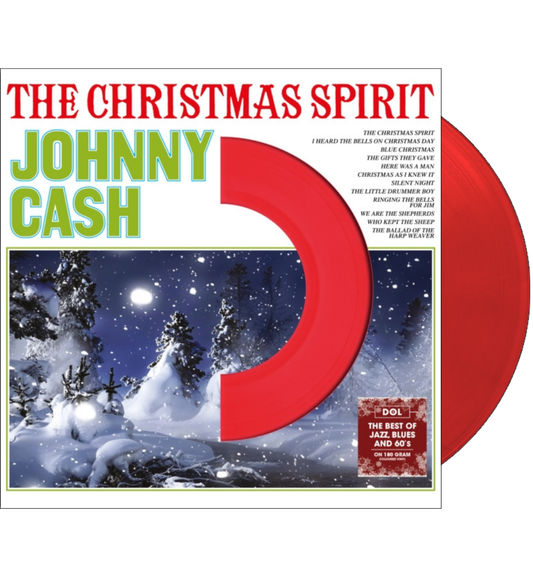
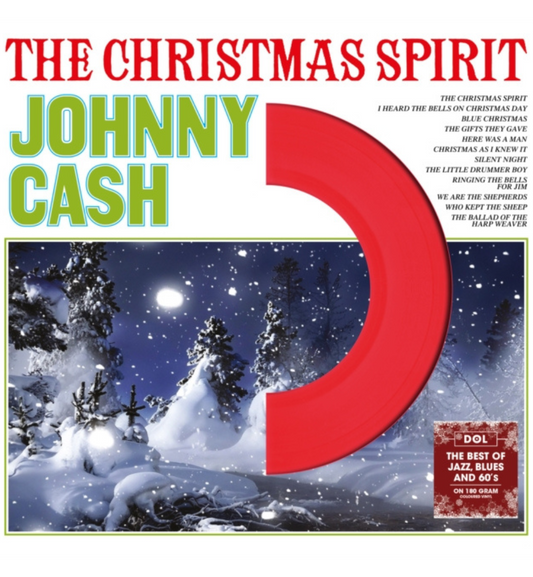
Johnny Cash - The Christmas Spirit (180g Red Vinyl)
Regular price £26.99 GBPRegular priceUnit price per
JOHNNY CASH History

Johnny Cash was born J.R. Cash on 26 February 1932 in Kingsland, Arkansas, and grew up during the Great Depression in nearby Dyess. His childhood on the family cotton farm and his exposure to gospel, country and folk music became part of the background to his storytelling. With his deep baritone voice, unmistakable rhythm guitar and honest songwriting, Cash became a true icon whose appeal stretched far beyond country music.
After serving in the United States Air Force, Cash moved to Memphis, Tennessee, where he auditioned for the legendary Sun Records. Label owner Sam Phillips signed him in 1955, placing him alongside future legends including Elvis Presley, Jerry Lee Lewis and Carl Perkins. His early recordings such as Cry! Cry! Cry!, Folsom Prison Blues and I Walk the Line quickly established him as one of the leading voices in country music.
Cash’s black stage clothing became part of his public identity. In the song Man in Black, he connected it with concern for people facing poverty, imprisonment and other hardships, giving the image a meaning beyond stage dress.
During the 1960s and into 1970, Johnny Cash enjoyed success with songs including Ring of Fire, Jackson, Daddy Sang Bass, A Boy Named Sue and Sunday Mornin’ Comin’ Down. His music blended country, folk, gospel, rockabilly and blues, creating a style that appealed to audiences across multiple genres.
Cash recorded concerts at Folsom Prison in 1968 and San Quentin State Prison in 1969. At Folsom Prison and At San Quentin preserve the songs, spoken exchanges and audience responses that made those performances distinctive.
Johnny Cash and June Carter married in 1968 after years of performing together. Their duet Jackson is one example of their musical partnership, which continued alongside Cash’s solo recording career.
Cash spoke openly about his dependence on prescription drugs and his efforts to recover. Addiction, faith and redemption recur in accounts of his life and in the material he chose to record.
During the 1980s and early 1990s, Cash’s commercial success declined, but his career experienced an extraordinary revival after signing with producer Rick Rubin. The acclaimed American Recordings series stripped his music back to its essentials and introduced him to an entirely new generation of listeners. His version of Nine Inch Nails’ Hurt appeared within that later recording period.
Johnny Cash died on 12 September 2003, aged 71, from complications related to diabetes, four months after June Carter Cash’s death. Recordings from his final years continued to appear after his death.
Johnny Cash sold more than 90 million records worldwide and was inducted into both the Country Music Hall of Fame and the Rock and Roll Hall of Fame, a rare achievement that reflects his influence across multiple genres. His music continues to inspire artists ranging from Bob Dylan and Bruce Springsteen to U2, Chris Stapleton and countless others.
Cash’s Sun recordings, Columbia albums and American Recordings series capture different stages of his career. The prison concert albums add spoken introductions and audience interaction to that story. Check the recording dates and track lists on compilations, and distinguish an original album programme from an expanded concert edition.
After serving in the United States Air Force, Cash moved to Memphis, Tennessee, where he auditioned for the legendary Sun Records. Label owner Sam Phillips signed him in 1955, placing him alongside future legends including Elvis Presley, Jerry Lee Lewis and Carl Perkins. His early recordings such as Cry! Cry! Cry!, Folsom Prison Blues and I Walk the Line quickly established him as one of the leading voices in country music.
Cash’s black stage clothing became part of his public identity. In the song Man in Black, he connected it with concern for people facing poverty, imprisonment and other hardships, giving the image a meaning beyond stage dress.
During the 1960s and into 1970, Johnny Cash enjoyed success with songs including Ring of Fire, Jackson, Daddy Sang Bass, A Boy Named Sue and Sunday Mornin’ Comin’ Down. His music blended country, folk, gospel, rockabilly and blues, creating a style that appealed to audiences across multiple genres.
Cash recorded concerts at Folsom Prison in 1968 and San Quentin State Prison in 1969. At Folsom Prison and At San Quentin preserve the songs, spoken exchanges and audience responses that made those performances distinctive.
Johnny Cash and June Carter married in 1968 after years of performing together. Their duet Jackson is one example of their musical partnership, which continued alongside Cash’s solo recording career.
Cash spoke openly about his dependence on prescription drugs and his efforts to recover. Addiction, faith and redemption recur in accounts of his life and in the material he chose to record.
During the 1980s and early 1990s, Cash’s commercial success declined, but his career experienced an extraordinary revival after signing with producer Rick Rubin. The acclaimed American Recordings series stripped his music back to its essentials and introduced him to an entirely new generation of listeners. His version of Nine Inch Nails’ Hurt appeared within that later recording period.
Johnny Cash died on 12 September 2003, aged 71, from complications related to diabetes, four months after June Carter Cash’s death. Recordings from his final years continued to appear after his death.
Johnny Cash sold more than 90 million records worldwide and was inducted into both the Country Music Hall of Fame and the Rock and Roll Hall of Fame, a rare achievement that reflects his influence across multiple genres. His music continues to inspire artists ranging from Bob Dylan and Bruce Springsteen to U2, Chris Stapleton and countless others.
Cash’s Sun recordings, Columbia albums and American Recordings series capture different stages of his career. The prison concert albums add spoken introductions and audience interaction to that story. Check the recording dates and track lists on compilations, and distinguish an original album programme from an expanded concert edition.


