
-
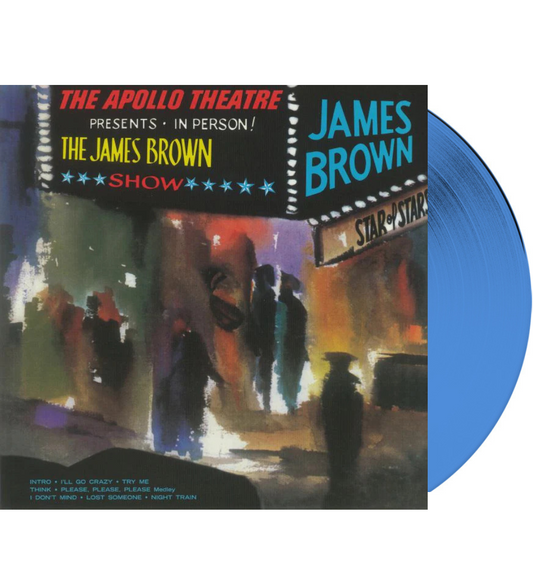
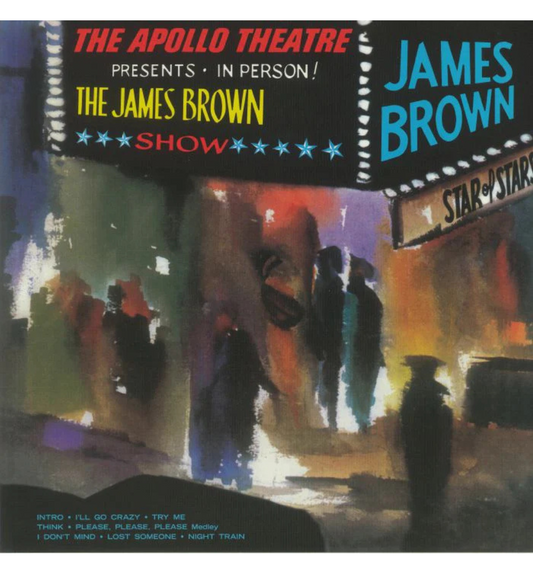
James Brown - Live at the Apollo (Limited Edition on 180g Blue Vinyl)
Regular price £26.99 GBPRegular priceUnit price per
JAMES BROWN History

James Brown was born James Joseph Brown on 3 May 1933 in Barnwell, South Carolina, and grew up in extreme poverty in Augusta, Georgia. Despite a difficult childhood that included periods of homelessness and time spent in juvenile detention, Brown developed a passion for gospel music, rhythm and blues and performing. He developed a career as a singer, performer and bandleader.
Brown began his professional career during the 1950s as the lead singer of The Famous Flames. Their breakthrough came in 1956 with Please, Please, Please, a song that established Brown’s emotionally charged vocal style and energetic stage performances. His reputation quickly grew, with audiences captivated by his dynamic dancing, dramatic stage routines and seemingly endless energy.
Known as the Godfather of Soul, Brown helped place rhythm at the centre of soul and funk. His clipped vocal phrases, repeated grooves and tightly coordinated band arrangements became characteristic features of his recordings.
Brown’s 1960s singles included Papa’s Got a Brand New Bag, I Got You (I Feel Good), It’s a Man’s Man’s Man’s World and Cold Sweat. Get Up (I Feel Like Being a) Sex Machine followed in 1970, extending the emphasis on repeating grooves and rhythmic interplay.
Many music historians credit Cold Sweat, released in 1967, as one of the first true funk records. Brown’s emphasis on tight rhythms, syncopated basslines and powerful horn arrangements became the blueprint for countless funk artists that followed.
Brown’s drum breaks, basslines and vocal interjections became important source material for hip-hop producers and DJs. Sampling introduced fragments of his recordings into new compositions and connected his bands’ rhythmic playing with later music.
James Brown was equally famous for his extraordinary live performances. His concerts were renowned for their precision, incredible stamina and theatrical flair. One of his signature routines involved dramatically collapsing on stage before being revived and returning to continue performing. Live at the Apollo, released in 1963, documents the interaction between his singing, the band and the audience.
Brown’s dancing, stage direction and vocal delivery influenced later performers, including Michael Jackson. His concert routines treated the band, movement and audience response as parts of the same performance.
Despite his extraordinary musical achievements, Brown’s life was often marked by controversy. Throughout his career he experienced legal problems, financial disputes and several arrests, particularly during his later years. These issues frequently overshadowed his remarkable musical legacy, although they never diminished his enormous influence on popular music.
James Brown died on 25 December 2006 at the age of 73 after being admitted to hospital with pneumonia. Tributes following his death reflected the reach of his recordings and stage performances.
Brown’s catalogue spans singles, studio albums and concert recordings. He was among the Rock and Roll Hall of Fame’s first inductees in 1986 and received the Grammy Lifetime Achievement Award in 1992.
Live at the Apollo captures Brown in a concert setting, while albums such as The Payback and There It Is explore extended funk grooves. His singles and album versions can have different lengths, and a live-sounding track is not always from the concert suggested by a compilation title. Check version descriptions, recording dates and track times when comparing releases.
Brown began his professional career during the 1950s as the lead singer of The Famous Flames. Their breakthrough came in 1956 with Please, Please, Please, a song that established Brown’s emotionally charged vocal style and energetic stage performances. His reputation quickly grew, with audiences captivated by his dynamic dancing, dramatic stage routines and seemingly endless energy.
Known as the Godfather of Soul, Brown helped place rhythm at the centre of soul and funk. His clipped vocal phrases, repeated grooves and tightly coordinated band arrangements became characteristic features of his recordings.
Brown’s 1960s singles included Papa’s Got a Brand New Bag, I Got You (I Feel Good), It’s a Man’s Man’s Man’s World and Cold Sweat. Get Up (I Feel Like Being a) Sex Machine followed in 1970, extending the emphasis on repeating grooves and rhythmic interplay.
Many music historians credit Cold Sweat, released in 1967, as one of the first true funk records. Brown’s emphasis on tight rhythms, syncopated basslines and powerful horn arrangements became the blueprint for countless funk artists that followed.
Brown’s drum breaks, basslines and vocal interjections became important source material for hip-hop producers and DJs. Sampling introduced fragments of his recordings into new compositions and connected his bands’ rhythmic playing with later music.
James Brown was equally famous for his extraordinary live performances. His concerts were renowned for their precision, incredible stamina and theatrical flair. One of his signature routines involved dramatically collapsing on stage before being revived and returning to continue performing. Live at the Apollo, released in 1963, documents the interaction between his singing, the band and the audience.
Brown’s dancing, stage direction and vocal delivery influenced later performers, including Michael Jackson. His concert routines treated the band, movement and audience response as parts of the same performance.
Despite his extraordinary musical achievements, Brown’s life was often marked by controversy. Throughout his career he experienced legal problems, financial disputes and several arrests, particularly during his later years. These issues frequently overshadowed his remarkable musical legacy, although they never diminished his enormous influence on popular music.
James Brown died on 25 December 2006 at the age of 73 after being admitted to hospital with pneumonia. Tributes following his death reflected the reach of his recordings and stage performances.
Brown’s catalogue spans singles, studio albums and concert recordings. He was among the Rock and Roll Hall of Fame’s first inductees in 1986 and received the Grammy Lifetime Achievement Award in 1992.
Live at the Apollo captures Brown in a concert setting, while albums such as The Payback and There It Is explore extended funk grooves. His singles and album versions can have different lengths, and a live-sounding track is not always from the concert suggested by a compilation title. Check version descriptions, recording dates and track times when comparing releases.


