
-
Chic - Live at the Budokan, Japan 1996 (12-Inch Album on 180g Vinyl)
Regular price £24.99 GBPRegular priceUnit price per
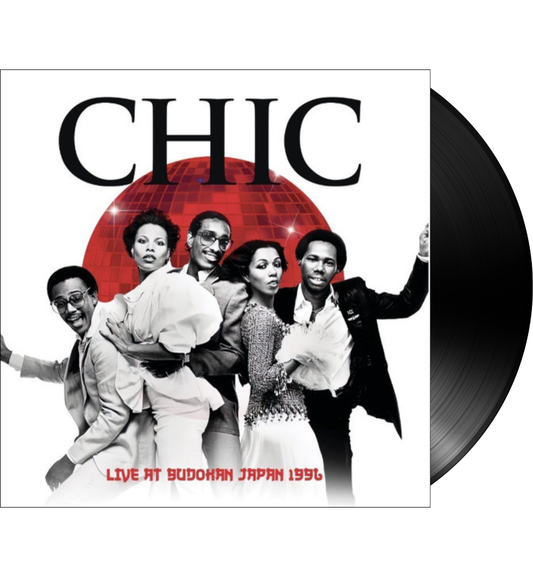
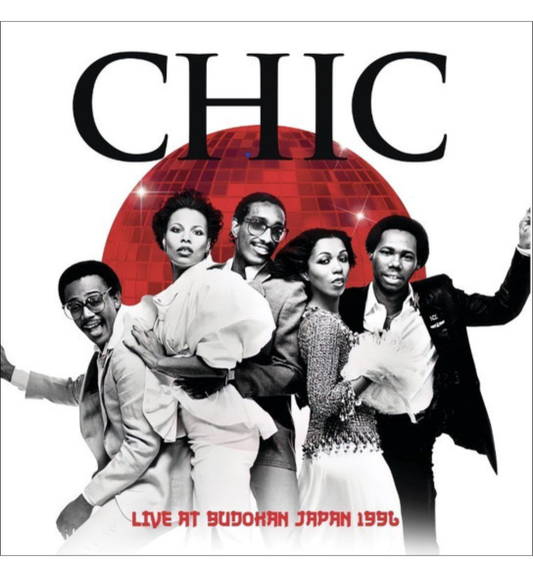
CHIC History

Chic were formed in New York City in 1976 by guitarist Nile Rodgers and bassist Bernard Edwards, becoming one of the defining acts of the disco era. Combining infectious basslines, sophisticated guitar rhythms, lush string arrangements and unforgettable melodies, Chic created a sound that not only dominated dancefloors during the late 1970s but also shaped pop, funk, R&B and hip-hop for decades to come.
Rodgers and Edwards originally set out to create an American dance band inspired by the glamour and style of British rock acts such as Roxy Music. Recruiting powerhouse vocalists Norma Jean Wright, Luci Martin and Alfa Anderson, Chic quickly established themselves as one of the most polished and innovative groups of the disco movement.
Le Freak became a major hit in 1978, with a tight guitar pattern, bass groove and repeated vocal hook. It is a central recording on C’est Chic and an example of Rodgers and Edwards building a song around the interaction of the rhythm parts.
Chic’s early singles included Dance, Dance, Dance (Yowsah, Yowsah, Yowsah) and Everybody Dance. Le Freak and I Want Your Love followed, with Good Times and My Forbidden Lover extending the catalogue in 1979.
Good Times, released in 1979, centres on Bernard Edwards’s bassline and the band’s rhythm playing. Its musical foundation was reused in The Sugarhill Gang’s Rapper’s Delight, creating a direct connection between Chic’s disco recordings and an early commercial hip-hop hit.
Rodgers and Edwards also developed work beyond Chic, both together and separately. Their shared productions for Sister Sledge and Diana Ross sit alongside Rodgers’s subsequent projects with artists such as David Bowie and Madonna.
Rodgers and Edwards wrote and produced We Are Family for Sister Sledge and I’m Coming Out for Diana Ross. Those records show how their songwriting and rhythmic arrangements could work with different voices outside Chic.
One of the most significant events in the band’s history came in 1996 when Bernard Edwards died suddenly from pneumonia while on tour in Japan at the age of 43. His bass playing and writing remain part of the sound of Chic’s earlier records. Nile Rodgers has continued performing with Chic, keeping the band’s music alive while introducing it to new generations of fans.
Nile Rodgers continued performing under the Chic name and developed further collaborations. His work with Daft Punk on Get Lucky brought his rhythm-guitar style into a later generation of dance music.
Chic’s recordings connect disco, funk and later dance music. Their recordings have been sampled hundreds of times and continue to influence artists across pop, funk, disco, electronic music and hip-hop. Songs like Le Freak and Good Times remain essential dance classics more than four decades after their release.
Chic, C’est Chic and Risqué trace the group’s first run of albums, while the productions for Sister Sledge and Diana Ross offer related listening. Singles and extended versions may differ from album cuts, so track times and version credits matter when comparing compilations or 12-inch releases.
Rodgers and Edwards originally set out to create an American dance band inspired by the glamour and style of British rock acts such as Roxy Music. Recruiting powerhouse vocalists Norma Jean Wright, Luci Martin and Alfa Anderson, Chic quickly established themselves as one of the most polished and innovative groups of the disco movement.
Le Freak became a major hit in 1978, with a tight guitar pattern, bass groove and repeated vocal hook. It is a central recording on C’est Chic and an example of Rodgers and Edwards building a song around the interaction of the rhythm parts.
Chic’s early singles included Dance, Dance, Dance (Yowsah, Yowsah, Yowsah) and Everybody Dance. Le Freak and I Want Your Love followed, with Good Times and My Forbidden Lover extending the catalogue in 1979.
Good Times, released in 1979, centres on Bernard Edwards’s bassline and the band’s rhythm playing. Its musical foundation was reused in The Sugarhill Gang’s Rapper’s Delight, creating a direct connection between Chic’s disco recordings and an early commercial hip-hop hit.
Rodgers and Edwards also developed work beyond Chic, both together and separately. Their shared productions for Sister Sledge and Diana Ross sit alongside Rodgers’s subsequent projects with artists such as David Bowie and Madonna.
Rodgers and Edwards wrote and produced We Are Family for Sister Sledge and I’m Coming Out for Diana Ross. Those records show how their songwriting and rhythmic arrangements could work with different voices outside Chic.
One of the most significant events in the band’s history came in 1996 when Bernard Edwards died suddenly from pneumonia while on tour in Japan at the age of 43. His bass playing and writing remain part of the sound of Chic’s earlier records. Nile Rodgers has continued performing with Chic, keeping the band’s music alive while introducing it to new generations of fans.
Nile Rodgers continued performing under the Chic name and developed further collaborations. His work with Daft Punk on Get Lucky brought his rhythm-guitar style into a later generation of dance music.
Chic’s recordings connect disco, funk and later dance music. Their recordings have been sampled hundreds of times and continue to influence artists across pop, funk, disco, electronic music and hip-hop. Songs like Le Freak and Good Times remain essential dance classics more than four decades after their release.
Chic, C’est Chic and Risqué trace the group’s first run of albums, while the productions for Sister Sledge and Diana Ross offer related listening. Singles and extended versions may differ from album cuts, so track times and version credits matter when comparing compilations or 12-inch releases.


