
-
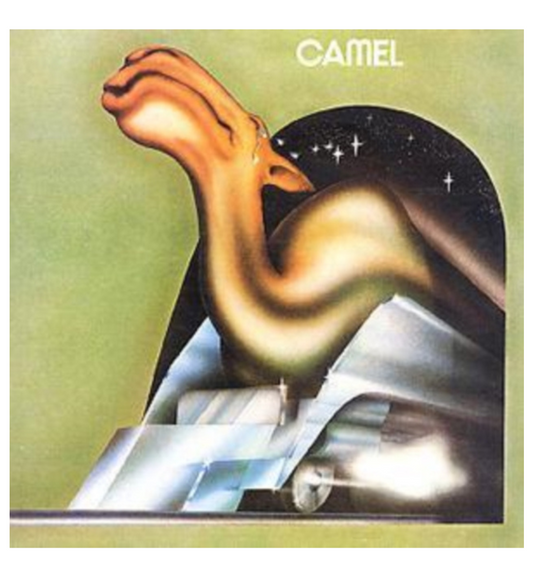
Camel - Camel (CD with Bonus Tracks)
Regular price £5.99 GBPRegular priceUnit price per£9.99 GBPSale price £5.99 GBPSale
CAMEL History

Camel formed in Guildford, Surrey, in 1971 with Andrew Latimer, Doug Ferguson, Andy Ward and Peter Bardens. Their progressive rock combined melodic guitar and keyboards with jazz influences and extended instrumental passages.
The band’s self-titled debut album, Camel, was released in 1973 and introduced audiences to their distinctive blend of progressive rock, jazz influences and melodic guitar work. Their second album, Mirage, followed in 1974 and raised the band’s profile.
The Snow Goose, released in 1975, was inspired by Paul Gallico’s novella. Its linked instrumental pieces use recurring themes, orchestral colours and Latimer’s guitar playing to follow a story without conventional song lyrics. Camel performed the work with the London Symphony Orchestra at the Royal Albert Hall that year.
Moonmadness followed in 1976, bringing vocals back alongside extended arrangements. Song Within a Song, Spirit of the Water, Air Born and Lunar Sea illustrate the balance between concise melodies and longer instrumental sections.
Camel’s instrumental writing is central to their identity. Guitar, flute and keyboards often carry melodies that a singer might deliver in another band, while changes of tempo and texture give the longer pieces their shape.
Throughout the late 1970s and early 1980s, Camel continued releasing ambitious albums including Rain Dances, Breathless, I Can See Your House from Here, Nude and The Single Factor. During this period, the band’s line-up changed frequently, although Andrew Latimer remained the creative force at its heart. His distinctive guitar style became one of Camel’s defining characteristics and has been widely praised for its emotion, precision and lyrical phrasing.
Andrew Latimer remained a central figure through the band’s changing line-ups. His guitar playing and songwriting connect the early albums with later recordings under the Camel name.
Camel’s history includes periods away from live performance. They returned to the stage in 2013 with a programme centred on The Snow Goose, revisiting music from their 1970s catalogue.
Mirage, The Snow Goose and Moonmadness show different approaches within Camel’s early work: longer progressive rock songs, a connected instrumental narrative, and a mixture of vocal and instrumental pieces.
For vinyl listeners, Mirage, The Snow Goose and Moonmadness make a useful comparison because each uses the album format differently. Later records such as Rain Dances and Nude add further line-ups and arrangements. With live releases, check whether the programme contains a complete album performance or a selection from across the catalogue.
The band’s self-titled debut album, Camel, was released in 1973 and introduced audiences to their distinctive blend of progressive rock, jazz influences and melodic guitar work. Their second album, Mirage, followed in 1974 and raised the band’s profile.
The Snow Goose, released in 1975, was inspired by Paul Gallico’s novella. Its linked instrumental pieces use recurring themes, orchestral colours and Latimer’s guitar playing to follow a story without conventional song lyrics. Camel performed the work with the London Symphony Orchestra at the Royal Albert Hall that year.
Moonmadness followed in 1976, bringing vocals back alongside extended arrangements. Song Within a Song, Spirit of the Water, Air Born and Lunar Sea illustrate the balance between concise melodies and longer instrumental sections.
Camel’s instrumental writing is central to their identity. Guitar, flute and keyboards often carry melodies that a singer might deliver in another band, while changes of tempo and texture give the longer pieces their shape.
Throughout the late 1970s and early 1980s, Camel continued releasing ambitious albums including Rain Dances, Breathless, I Can See Your House from Here, Nude and The Single Factor. During this period, the band’s line-up changed frequently, although Andrew Latimer remained the creative force at its heart. His distinctive guitar style became one of Camel’s defining characteristics and has been widely praised for its emotion, precision and lyrical phrasing.
Andrew Latimer remained a central figure through the band’s changing line-ups. His guitar playing and songwriting connect the early albums with later recordings under the Camel name.
Camel’s history includes periods away from live performance. They returned to the stage in 2013 with a programme centred on The Snow Goose, revisiting music from their 1970s catalogue.
Mirage, The Snow Goose and Moonmadness show different approaches within Camel’s early work: longer progressive rock songs, a connected instrumental narrative, and a mixture of vocal and instrumental pieces.
For vinyl listeners, Mirage, The Snow Goose and Moonmadness make a useful comparison because each uses the album format differently. Later records such as Rain Dances and Nude add further line-ups and arrangements. With live releases, check whether the programme contains a complete album performance or a selection from across the catalogue.


