
-
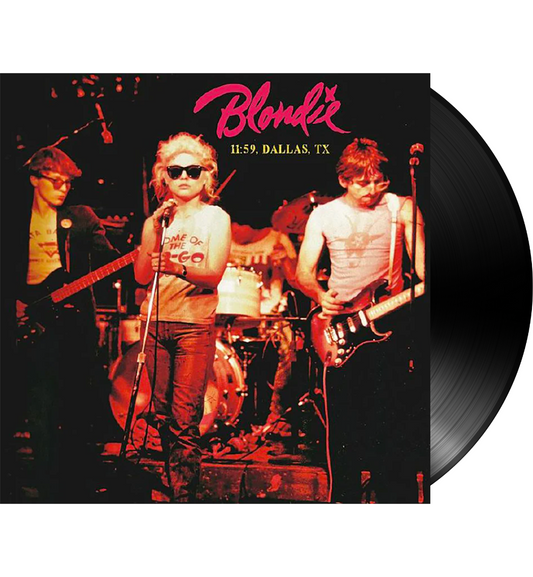
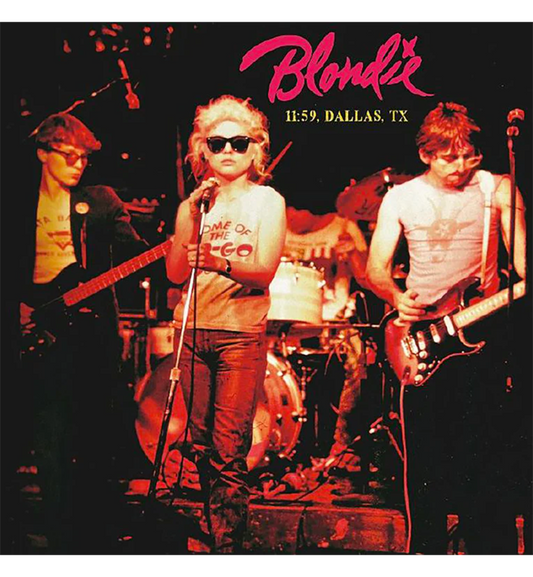
Blondie – 11:59, Dallas, TX (12-Inch Album)
Regular price £24.99 GBPRegular priceUnit price per -
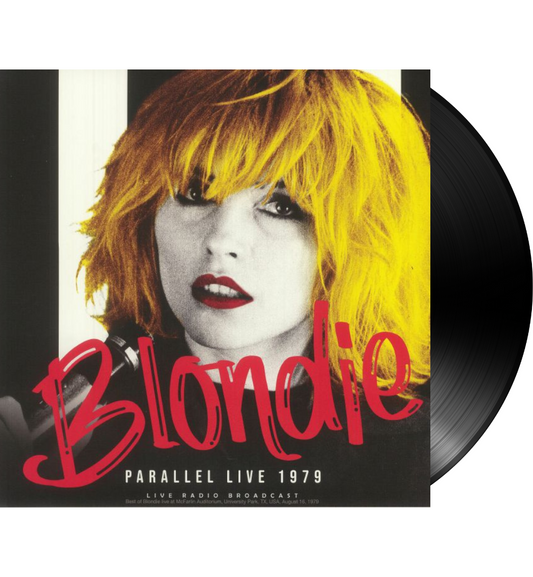
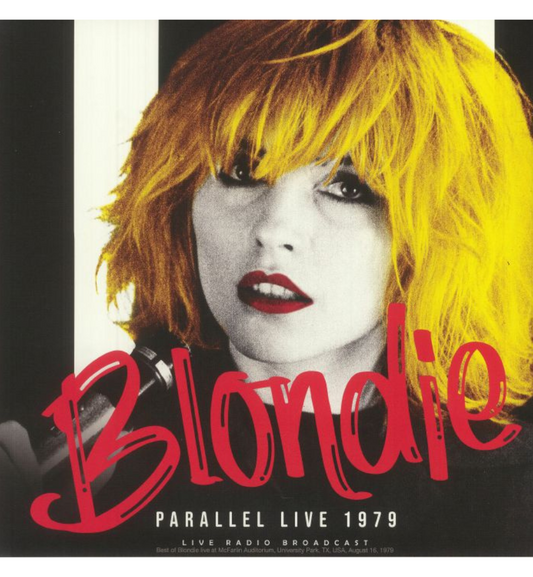
Blondie - Parallel Live 1979 (12-Inch Album on 180g Vinyl)
Regular price £24.99 GBPRegular priceUnit price per
BLONDIE History

Blondie were formed in New York City in 1974 by vocalist Debbie Harry and guitarist Chris Stein, becoming one of the defining bands of the punk, new wave and pop-rock explosion that emerged from the legendary CBGB music scene. While many of their contemporaries remained rooted in punk rock, Blondie constantly reinvented themselves, blending pop, rock, disco, reggae and even hip-hop into a catalogue that remains remarkably fresh today.
Before Blondie, Debbie Harry had worked as a waitress, Playboy Bunny and backing singer while pursuing a career in music. Her partnership with Chris Stein became central to Blondie’s songwriting and presentation.
The band’s self-titled debut album introduced audiences to their energetic blend of punk and pop, but it was Parallel Lines, released in 1978, that transformed Blondie into international superstars. Produced by Mike Chapman, the album featured timeless classics including Heart of Glass, One Way or Another, Hanging on the Telephone, Sunday Girl and Picture This.
Heart of Glass brought a disco rhythm into Blondie’s sound on Parallel Lines. Its success showed how the band could move beyond the guitar-led material associated with the New York punk scene without losing Debbie Harry’s distinctive vocal presence.
Rather than remaining tied to one musical style, Blondie continually evolved. Albums such as Eat to the Beat, Autoamerican and The Hunter demonstrated their willingness to explore reggae, funk, electronic music and early rap. Their hit Rapture, released in 1981, became the first song featuring rap vocals to reach number one in the United States, making Blondie unexpectedly important in the early history of hip-hop.
Rapture reflected Blondie’s connection with New York’s existing hip-hop scene. Its rap section introduced that influence to listeners who knew the band through pop singles; rap itself had developed before Blondie recorded the song.
Despite enormous commercial success, Blondie’s career was interrupted during the early 1980s when guitarist Chris Stein became seriously ill with the rare autoimmune disease pemphigus. Debbie Harry stepped away from the band to care for him, and in 1982 Blondie officially disbanded. Many believed they would never return.
Throughout the 1980s and early 1990s, Debbie Harry enjoyed a successful solo career, while Chris Stein recovered from his illness. The band reunited in 1997 and surprised critics by proving they could still compete with contemporary artists.
Their comeback album No Exit produced the international hit Maria, giving Blondie another UK number-one single almost twenty years after their original commercial peak. This remarkable achievement demonstrated the band’s enduring popularity and introduced Blondie to an entirely new generation of fans.
Blondie’s later catalogue includes work made after the No Exit reunion, extending the musical partnership established by Debbie Harry and Chris Stein in the 1970s. On 7 April 2025, the band announced the death of drummer Clem Burke, whose playing had been a central part of Blondie’s sound. The different line-ups and recording periods make dates and credits useful guides to live releases.
Blondie’s catalogue draws on several genres. Debbie Harry’s voice connects the guitar-led songs with the band’s dance, reggae and rap-influenced material.
Blondie were inducted into the Rock and Roll Hall of Fame in 2006, recognising their enormous contribution to popular music. Songs including Call Me, Atomic, Heart of Glass, The Tide Is High and One Way or Another continue to receive worldwide radio airplay and remain staples of popular culture.
Plastic Letters and Parallel Lines emphasise different sides of Blondie’s early sound, while Eat to the Beat and Autoamerican extend the range of styles. No Exit marks the reunion period. On vinyl, compare album track lists with compilations, since songs such as Call Me also circulated outside the original studio-album sequence.
Before Blondie, Debbie Harry had worked as a waitress, Playboy Bunny and backing singer while pursuing a career in music. Her partnership with Chris Stein became central to Blondie’s songwriting and presentation.
The band’s self-titled debut album introduced audiences to their energetic blend of punk and pop, but it was Parallel Lines, released in 1978, that transformed Blondie into international superstars. Produced by Mike Chapman, the album featured timeless classics including Heart of Glass, One Way or Another, Hanging on the Telephone, Sunday Girl and Picture This.
Heart of Glass brought a disco rhythm into Blondie’s sound on Parallel Lines. Its success showed how the band could move beyond the guitar-led material associated with the New York punk scene without losing Debbie Harry’s distinctive vocal presence.
Rather than remaining tied to one musical style, Blondie continually evolved. Albums such as Eat to the Beat, Autoamerican and The Hunter demonstrated their willingness to explore reggae, funk, electronic music and early rap. Their hit Rapture, released in 1981, became the first song featuring rap vocals to reach number one in the United States, making Blondie unexpectedly important in the early history of hip-hop.
Rapture reflected Blondie’s connection with New York’s existing hip-hop scene. Its rap section introduced that influence to listeners who knew the band through pop singles; rap itself had developed before Blondie recorded the song.
Despite enormous commercial success, Blondie’s career was interrupted during the early 1980s when guitarist Chris Stein became seriously ill with the rare autoimmune disease pemphigus. Debbie Harry stepped away from the band to care for him, and in 1982 Blondie officially disbanded. Many believed they would never return.
Throughout the 1980s and early 1990s, Debbie Harry enjoyed a successful solo career, while Chris Stein recovered from his illness. The band reunited in 1997 and surprised critics by proving they could still compete with contemporary artists.
Their comeback album No Exit produced the international hit Maria, giving Blondie another UK number-one single almost twenty years after their original commercial peak. This remarkable achievement demonstrated the band’s enduring popularity and introduced Blondie to an entirely new generation of fans.
Blondie’s later catalogue includes work made after the No Exit reunion, extending the musical partnership established by Debbie Harry and Chris Stein in the 1970s. On 7 April 2025, the band announced the death of drummer Clem Burke, whose playing had been a central part of Blondie’s sound. The different line-ups and recording periods make dates and credits useful guides to live releases.
Blondie’s catalogue draws on several genres. Debbie Harry’s voice connects the guitar-led songs with the band’s dance, reggae and rap-influenced material.
Blondie were inducted into the Rock and Roll Hall of Fame in 2006, recognising their enormous contribution to popular music. Songs including Call Me, Atomic, Heart of Glass, The Tide Is High and One Way or Another continue to receive worldwide radio airplay and remain staples of popular culture.
Plastic Letters and Parallel Lines emphasise different sides of Blondie’s early sound, while Eat to the Beat and Autoamerican extend the range of styles. No Exit marks the reunion period. On vinyl, compare album track lists with compilations, since songs such as Call Me also circulated outside the original studio-album sequence.


