
-
Anthrax – Sound of Live Noise: Live in Fitchburg, 1993 (12-Inch Album on 180g Vinyl)
Regular price £24.99 GBPRegular priceUnit price per
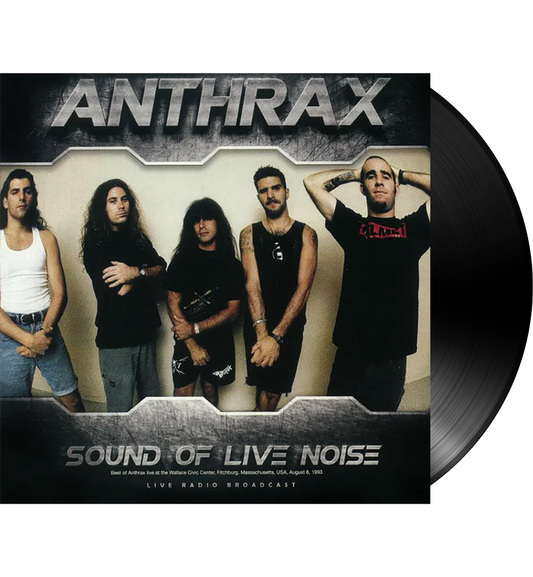
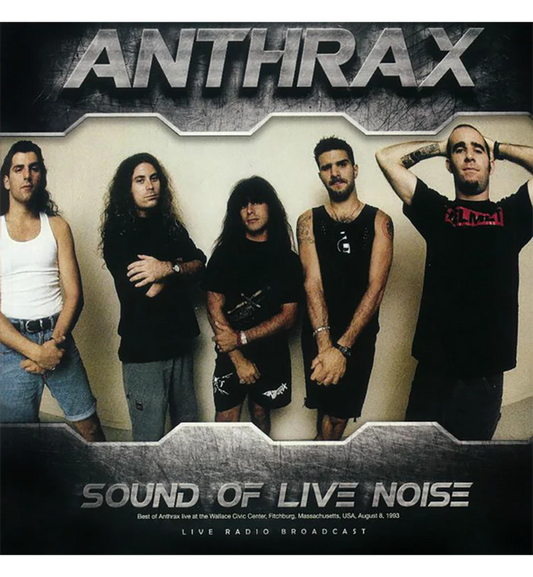
ANTHRAX History

Anthrax were formed in New York City in 1981 by guitarist Scott Ian and bassist Dan Lilker during the emergence of the American thrash metal movement. Combining the speed and aggression of heavy metal with the energy of punk rock, Anthrax helped redefine heavy music alongside Metallica, Megadeth and Slayer, earning their place as one of the legendary “Big Four” of Thrash Metal.
Anthrax mixed technical playing with humour, comic-book references and socially aware lyrics. Their energetic live performances and approachable image helped them stand apart from many of their darker contemporaries while never compromising the heaviness of their music.
After several early line-up changes, vocalist Joey Belladonna joined the band in 1984, completing what many fans consider the classic Anthrax line-up alongside Scott Ian, Charlie Benante, Frank Bello and guitarist Dan Spitz. This era produced the albums that established Anthrax as one of the biggest names in heavy metal.
Spreading the Disease (1985) established the Joey Belladonna-era sound before Among the Living followed in 1987. Caught in a Mosh, Indians, I Am the Law and the title track combine fast riffs, rhythmic changes and Belladonna’s melodic vocals.
Anthrax continued their success with State of Euphoria and Persistence of Time, demonstrating increasing maturity in both songwriting and musicianship while maintaining the speed and intensity that made them famous.
In 1991, Anthrax collaborated with Public Enemy on a new version of Bring the Noise. The recording joined rap vocals with a metal band arrangement and became a prominent example of the overlap between the two styles.
Belladonna left Anthrax in 1992 and John Bush, formerly of Armored Saint, took over lead vocals. Sound of White Noise introduced that line-up on record, with a greater emphasis on groove alongside the band’s existing rhythmic approach.
Following years of changing line-ups and reunion tours, Joey Belladonna officially returned to Anthrax in 2010, much to the delight of long-time fans. His return marked the beginning of a new era, culminating in the release of Worship Music, an album widely praised as one of the strongest records of the band’s career.
Scott Ian’s rhythm guitar and Charlie Benante’s drumming and writing connect the band’s different vocal eras. Changes of personnel and production give those eras distinct characters within the Anthrax catalogue.
The return of Belladonna led to further studio recordings and concert performances. Comparing material from before and after the John Bush period shows how the band adapted its arrangements around different lead voices.
Anthrax’s influence can be heard throughout modern metal, with countless bands citing them as an inspiration. Their willingness to experiment, embrace different musical styles and maintain their sense of humour helped them build a legacy that extends far beyond thrash metal.
Spreading the Disease, Among the Living and Persistence of Time capture the earlier Belladonna period; Sound of White Noise introduces John Bush on vocals. Worship Music belongs to Belladonna’s return. With live records, check the concert date and singer to identify which version of the band performs the songs.
Anthrax mixed technical playing with humour, comic-book references and socially aware lyrics. Their energetic live performances and approachable image helped them stand apart from many of their darker contemporaries while never compromising the heaviness of their music.
After several early line-up changes, vocalist Joey Belladonna joined the band in 1984, completing what many fans consider the classic Anthrax line-up alongside Scott Ian, Charlie Benante, Frank Bello and guitarist Dan Spitz. This era produced the albums that established Anthrax as one of the biggest names in heavy metal.
Spreading the Disease (1985) established the Joey Belladonna-era sound before Among the Living followed in 1987. Caught in a Mosh, Indians, I Am the Law and the title track combine fast riffs, rhythmic changes and Belladonna’s melodic vocals.
Anthrax continued their success with State of Euphoria and Persistence of Time, demonstrating increasing maturity in both songwriting and musicianship while maintaining the speed and intensity that made them famous.
In 1991, Anthrax collaborated with Public Enemy on a new version of Bring the Noise. The recording joined rap vocals with a metal band arrangement and became a prominent example of the overlap between the two styles.
Belladonna left Anthrax in 1992 and John Bush, formerly of Armored Saint, took over lead vocals. Sound of White Noise introduced that line-up on record, with a greater emphasis on groove alongside the band’s existing rhythmic approach.
Following years of changing line-ups and reunion tours, Joey Belladonna officially returned to Anthrax in 2010, much to the delight of long-time fans. His return marked the beginning of a new era, culminating in the release of Worship Music, an album widely praised as one of the strongest records of the band’s career.
Scott Ian’s rhythm guitar and Charlie Benante’s drumming and writing connect the band’s different vocal eras. Changes of personnel and production give those eras distinct characters within the Anthrax catalogue.
The return of Belladonna led to further studio recordings and concert performances. Comparing material from before and after the John Bush period shows how the band adapted its arrangements around different lead voices.
Anthrax’s influence can be heard throughout modern metal, with countless bands citing them as an inspiration. Their willingness to experiment, embrace different musical styles and maintain their sense of humour helped them build a legacy that extends far beyond thrash metal.
Spreading the Disease, Among the Living and Persistence of Time capture the earlier Belladonna period; Sound of White Noise introduces John Bush on vocals. Worship Music belongs to Belladonna’s return. With live records, check the concert date and singer to identify which version of the band performs the songs.


