
-
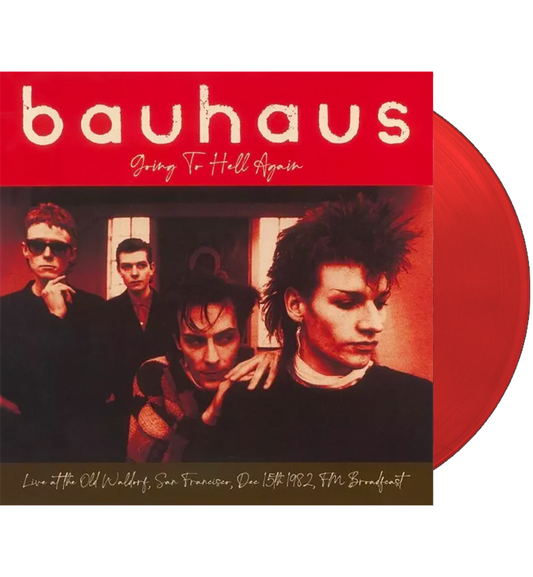
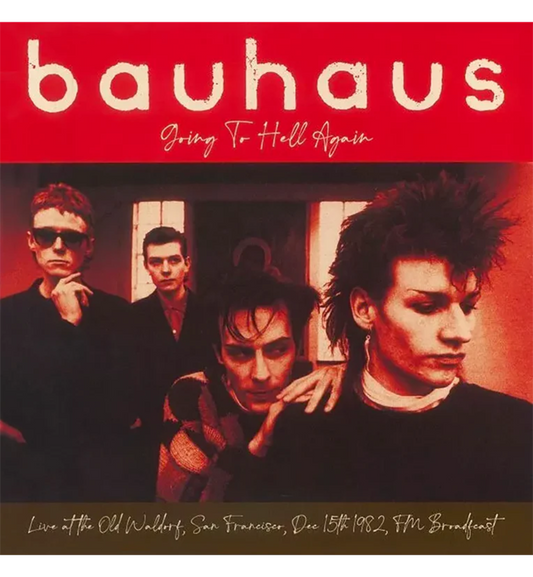
Bauhaus – Going To Hell Again: Live in San Francisco, 1982 (Limited Edition on Red Vinyl)
Regular price £29.99 GBPRegular priceUnit price per -
Beastie Boys - Kawasaki 1992 (12-Inch Album on 180g Vinyl)
Regular price £24.99 GBPRegular priceUnit price per -
Beastie Boys - Stand Together: Japan 1992 (Special Edition on Yellow Vinyl)
Regular price £26.99 GBPRegular priceUnit price per -
Beastie Boys - Tough Guys: Switzerland 1998 (12-Inch Album)
Regular price £24.99 GBPRegular priceUnit price per -
Beastie Boys – Live at Estadio Obras, Buenos Aires, 1995 (Limited Edition 12-Inch Album)
Regular price £24.99 GBPRegular priceUnit price per -
Beastie Boys – Time to Get Live: Japan 1992 (12-Inch Album on Red Vinyl)
Regular price £26.99 GBPRegular priceUnit price per -
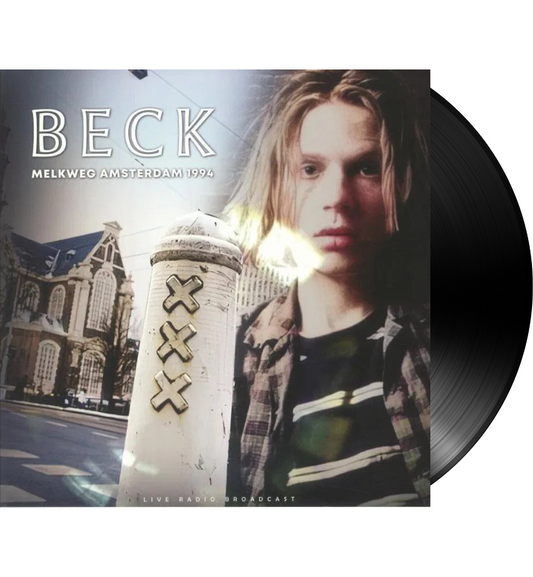
Beck - Melkweg Amsterdam 1994 (12-Inch Album on 180g Vinyl)
Regular price £24.99 GBPRegular priceUnit price per -
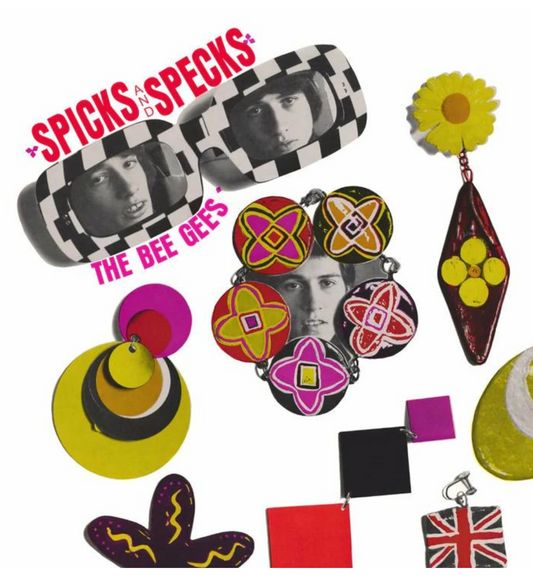
Bee Gees - Spicks and Specks (180g White Vinyl)
Regular price £26.99 GBPRegular priceUnit price per -
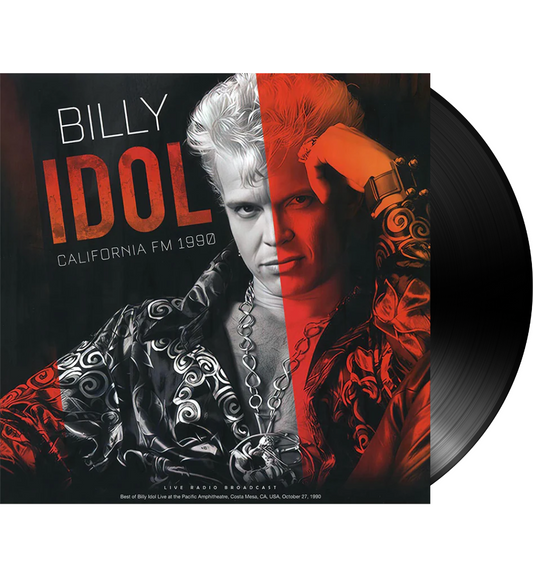
Billy Idol – California FM 1990 (12-Inch Album on 180g Vinyl)
Regular price £24.99 GBPRegular priceUnit price per -
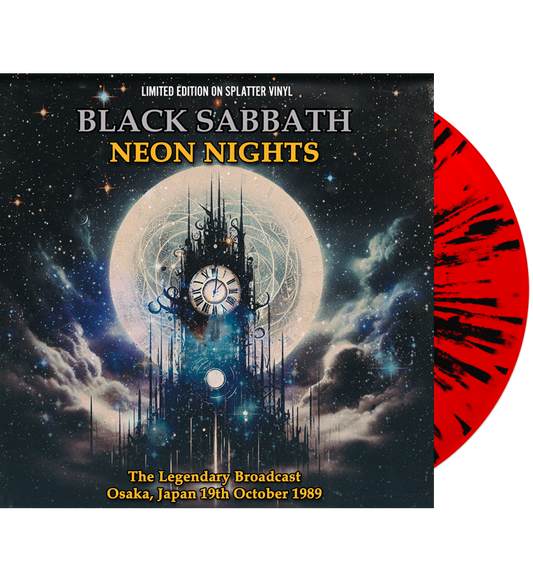
Black Sabbath - Neon Nights (Limited Edition Hand Numbered on Splatter Vinyl)
Regular price £29.99 GBPRegular priceUnit price per -
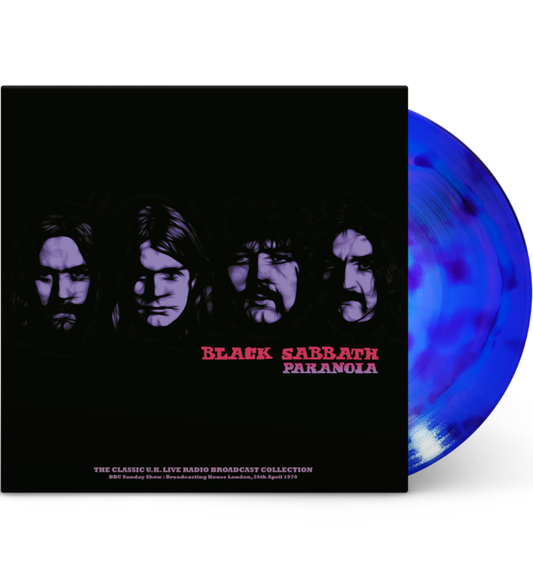
Black Sabbath - Paranoia: BBC Sunday Show, London 1970 (Limited Edition Hand Numbered on 180g Lagoon Vinyl)
Regular price £29.99 GBPRegular priceUnit price per -
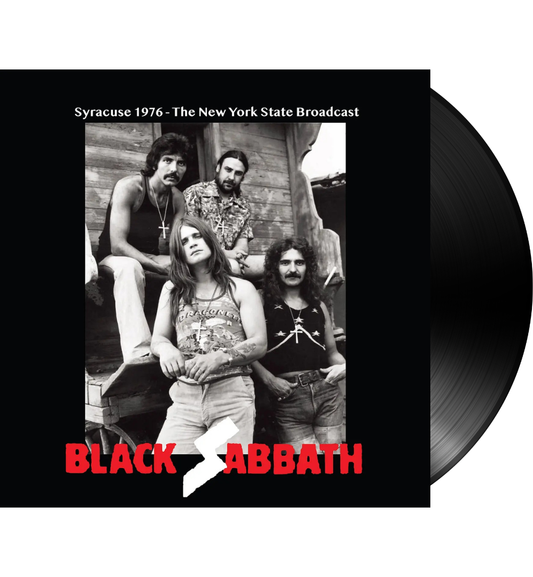
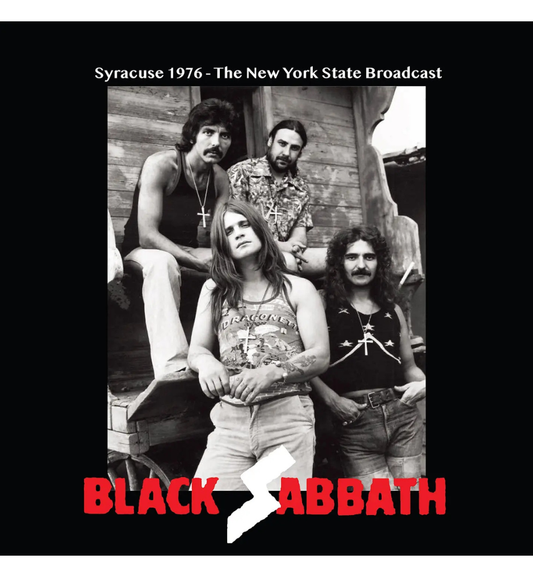
Black Sabbath - Syracuse 1976: The NY State Broadcast (12-Inch Album)
Regular price £24.99 GBPRegular priceUnit price per -
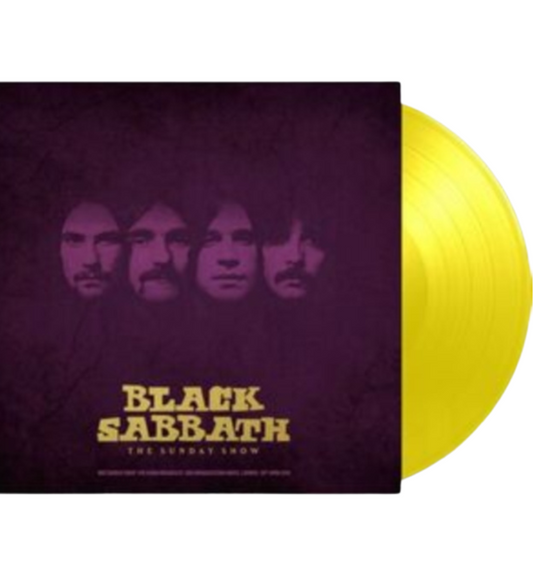
Black Sabbath - The Sunday Show (Special Edition on Yellow Vinyl)
Regular price £26.99 GBPRegular priceUnit price per -


Black Sabbath – Casino Boogie: Live at the Montreux Casino, 1970 (Limited Edition on Splatter Vinyl)
Regular price £29.99 GBPRegular priceUnit price per -
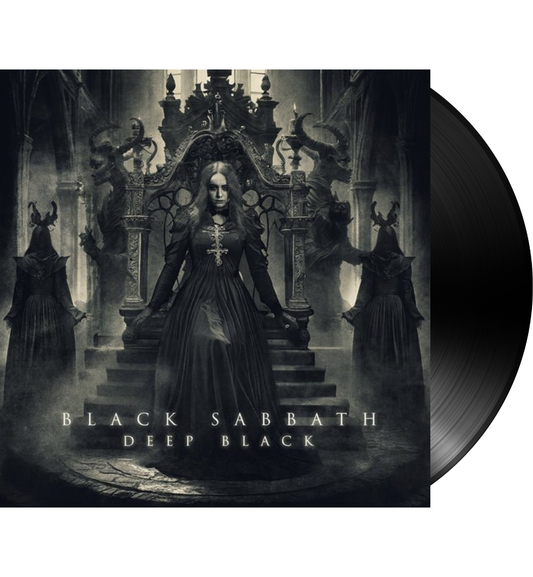
Black Sabbath – Deep Black (12-Inch Double Album)
Regular price £39.99 GBPRegular priceUnit price per -
Black Sabbath – Lausanne 1970 (Limited Edition Double Album on Red Vinyl)
Regular price £39.99 GBPRegular priceUnit price per




















12-INCH VINYL History
The 12-inch vinyl record is the format most people picture when they think of a traditional vinyl LP. Measuring approximately 12 inches (30 cm) in diameter, the format has been at the heart of recorded music for decades, used for everything from full-length albums to extended singles, DJ releases, live recordings and limited collector editions.
The modern 12-inch long-playing record became commercially established in 1948, when Columbia Records introduced its 33⅓ rpm LP format. Compared with the shorter-playing records that preceded it, the new format allowed significantly more music to be stored on each side of a record. This made it possible for listeners to enjoy complete albums without repeatedly changing discs and helped establish the album as an important artistic format in its own right.
Playing time depends on speed, groove spacing and mastering. A conventional 12-inch LP at 33⅓ rpm commonly contains around 20 minutes of music per side, although longer sides are possible. Longer playing times can require compromises in cutting level and bass response.
Not every 12-inch record plays at 33⅓ rpm. 12-inch singles are frequently pressed at 45 rpm, allowing wider groove spacing and potentially greater dynamic range. This became particularly important for dance music and DJs, where louder playback, stronger bass and extended versions of songs were desirable.
The dedicated 12-inch single became increasingly important during the 1970s. DJs and record labels discovered that spreading a song across the larger playing surface could produce excellent results in clubs. Extended mixes, remixes and instrumental versions soon became an important part of disco culture before being adopted by pop, rock, electronic and hip-hop artists.
An LP normally contains a full album and usually plays at 33⅓ rpm. A 12-inch single uses the same disc diameter for fewer tracks, often an extended version, remix or B-side, and may play at either 33⅓ or 45 rpm. The label should identify the correct playback speed.
For rock collectors, however, the 12-inch format is overwhelmingly associated with the album era. Albums by The Beatles, Pink Floyd, Led Zeppelin, Fleetwood Mac, David Bowie and Black Sabbath were sequenced around two sides of a 12-inch LP. Large-format sleeves also gave artists far more space for artwork, photography, lyrics and elaborate packaging than smaller physical formats could provide.
Original pressings have consequently become an important area of vinyl collecting. Collectors may look for a particular country’s first pressing, specific record labels, catalogue numbers, matrices, sleeve variations or mastering engineers. Two copies of apparently the same album can therefore be quite different releases and, in some cases, have dramatically different values.
A record’s value depends on its artist, title, pressing, condition, demand and provenance. Age alone does not make an LP valuable, and a limited edition is not a guarantee of future appreciation. Catalogue numbers and the markings in the run-out area help distinguish editions that may otherwise look similar.
Modern 12-inch vinyl has expanded collecting even further. Albums and singles are now regularly released as limited editions, coloured vinyl, picture discs, heavyweight 180g pressings, anniversary editions and Record Store Day exclusives. Different colour variants of the same release can themselves become collectable, particularly when production numbers are limited.
A 180g record uses more material than a standard-weight pressing, but weight alone does not guarantee better sound. The source recording, mastering, manufacturing and playback setup all matter. Compare the details of the particular edition rather than treating a weight sticker as a sound-quality rating.
Despite streaming becoming the dominant way many people consume music, the 12-inch record has endured because it offers something fundamentally different. It combines music with physical ownership, large-format artwork and the ritual of selecting, handling and playing a record. Limited editions and unusual pressings have also transformed modern vinyl into an increasingly diverse collecting market.
For an album collection, the 12-inch sleeve, side sequence and accompanying inserts are part of the release’s identity. For singles, the mix and playing speed can be just as important as the title. Check the track listing, edition details and condition of each record to choose the version that suits how you listen.
The modern 12-inch long-playing record became commercially established in 1948, when Columbia Records introduced its 33⅓ rpm LP format. Compared with the shorter-playing records that preceded it, the new format allowed significantly more music to be stored on each side of a record. This made it possible for listeners to enjoy complete albums without repeatedly changing discs and helped establish the album as an important artistic format in its own right.
Playing time depends on speed, groove spacing and mastering. A conventional 12-inch LP at 33⅓ rpm commonly contains around 20 minutes of music per side, although longer sides are possible. Longer playing times can require compromises in cutting level and bass response.
Not every 12-inch record plays at 33⅓ rpm. 12-inch singles are frequently pressed at 45 rpm, allowing wider groove spacing and potentially greater dynamic range. This became particularly important for dance music and DJs, where louder playback, stronger bass and extended versions of songs were desirable.
The dedicated 12-inch single became increasingly important during the 1970s. DJs and record labels discovered that spreading a song across the larger playing surface could produce excellent results in clubs. Extended mixes, remixes and instrumental versions soon became an important part of disco culture before being adopted by pop, rock, electronic and hip-hop artists.
An LP normally contains a full album and usually plays at 33⅓ rpm. A 12-inch single uses the same disc diameter for fewer tracks, often an extended version, remix or B-side, and may play at either 33⅓ or 45 rpm. The label should identify the correct playback speed.
For rock collectors, however, the 12-inch format is overwhelmingly associated with the album era. Albums by The Beatles, Pink Floyd, Led Zeppelin, Fleetwood Mac, David Bowie and Black Sabbath were sequenced around two sides of a 12-inch LP. Large-format sleeves also gave artists far more space for artwork, photography, lyrics and elaborate packaging than smaller physical formats could provide.
Original pressings have consequently become an important area of vinyl collecting. Collectors may look for a particular country’s first pressing, specific record labels, catalogue numbers, matrices, sleeve variations or mastering engineers. Two copies of apparently the same album can therefore be quite different releases and, in some cases, have dramatically different values.
A record’s value depends on its artist, title, pressing, condition, demand and provenance. Age alone does not make an LP valuable, and a limited edition is not a guarantee of future appreciation. Catalogue numbers and the markings in the run-out area help distinguish editions that may otherwise look similar.
Modern 12-inch vinyl has expanded collecting even further. Albums and singles are now regularly released as limited editions, coloured vinyl, picture discs, heavyweight 180g pressings, anniversary editions and Record Store Day exclusives. Different colour variants of the same release can themselves become collectable, particularly when production numbers are limited.
A 180g record uses more material than a standard-weight pressing, but weight alone does not guarantee better sound. The source recording, mastering, manufacturing and playback setup all matter. Compare the details of the particular edition rather than treating a weight sticker as a sound-quality rating.
Despite streaming becoming the dominant way many people consume music, the 12-inch record has endured because it offers something fundamentally different. It combines music with physical ownership, large-format artwork and the ritual of selecting, handling and playing a record. Limited editions and unusual pressings have also transformed modern vinyl into an increasingly diverse collecting market.
For an album collection, the 12-inch sleeve, side sequence and accompanying inserts are part of the release’s identity. For singles, the mix and playing speed can be just as important as the title. Check the track listing, edition details and condition of each record to choose the version that suits how you listen.