
-
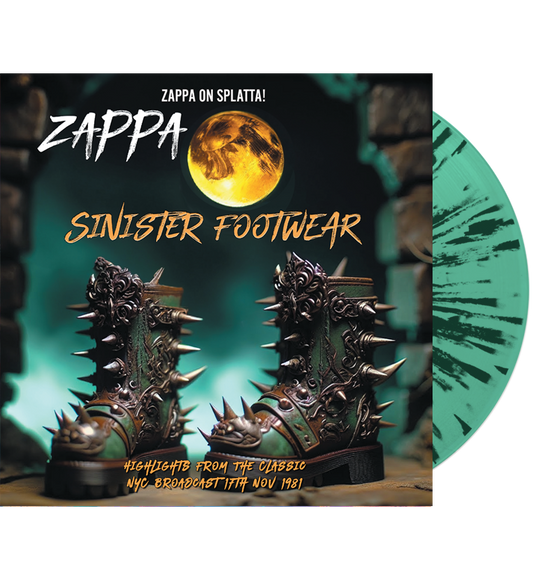
Zappa on Splatta! (Limited Edition 2-LP Bundle on Splatter Vinyl)
Regular price £38.99 GBPRegular priceUnit price per£59.98 GBPSale price £38.99 GBPSale

NUMBERED VINYL History
Numbered vinyl records are special or limited-edition releases where individual copies are given their own unique number, usually printed, stamped or embossed onto the record sleeve. This allows collectors to identify exactly where their copy sits within a particular production run.
For example, a release limited to 500 copies might be individually numbered from 001/500 through to 500/500. Rather than owning one of an unspecified number of records, the collector owns a clearly identifiable copy from that particular pressing.
Numbered vinyl has been used by record labels for decades to distinguish special releases from standard mass-produced editions. One of the most famous examples is The Beatles’ White Album, whose original 1968 copies featured individual serial numbers on their sleeves. Early and particularly low-numbered examples have subsequently become highly desirable among Beatles collectors.
One of the most common questions is “Are numbered vinyl records more valuable?” They can be, but numbering alone does not make a record valuable. The size of the pressing, artist, album, condition, demand and rarity of the particular edition all play a part. A numbered pressing from a highly collected artist may become considerably more desirable than a standard edition, particularly once the original release has sold out.
Collectors sometimes seek low numbers such as 001 or 002, while numbers connected with an artist, album or significant date can also attract additional interest. However, there is no guarantee that a lower number will be worth more. The scarcity, condition and desirability of the release itself remain much more important.
Numbered editions can appear across different vinyl formats and are frequently combined with other collectable features, including coloured vinyl, heavyweight pressings, alternative artwork, gatefold sleeves, picture discs and special packaging. This means a numbered release may appeal to collectors for several reasons beyond the serial number itself.
Today, numbered vinyl remains an important part of record collecting. Whether it’s a classic album, live recording, picture disc, coloured pressing or special edition, an individually numbered release gives each copy its own identity and provides collectors with a tangible connection to the particular production run it came from.
For example, a release limited to 500 copies might be individually numbered from 001/500 through to 500/500. Rather than owning one of an unspecified number of records, the collector owns a clearly identifiable copy from that particular pressing.
Numbered vinyl has been used by record labels for decades to distinguish special releases from standard mass-produced editions. One of the most famous examples is The Beatles’ White Album, whose original 1968 copies featured individual serial numbers on their sleeves. Early and particularly low-numbered examples have subsequently become highly desirable among Beatles collectors.
One of the most common questions is “Are numbered vinyl records more valuable?” They can be, but numbering alone does not make a record valuable. The size of the pressing, artist, album, condition, demand and rarity of the particular edition all play a part. A numbered pressing from a highly collected artist may become considerably more desirable than a standard edition, particularly once the original release has sold out.
Collectors sometimes seek low numbers such as 001 or 002, while numbers connected with an artist, album or significant date can also attract additional interest. However, there is no guarantee that a lower number will be worth more. The scarcity, condition and desirability of the release itself remain much more important.
Numbered editions can appear across different vinyl formats and are frequently combined with other collectable features, including coloured vinyl, heavyweight pressings, alternative artwork, gatefold sleeves, picture discs and special packaging. This means a numbered release may appeal to collectors for several reasons beyond the serial number itself.
Today, numbered vinyl remains an important part of record collecting. Whether it’s a classic album, live recording, picture disc, coloured pressing or special edition, an individually numbered release gives each copy its own identity and provides collectors with a tangible connection to the particular production run it came from.