
-
Thin Lizzy - Wild-Eyed Boys (Limited Edition Hand Numbered on Splatter Vinyl) Numbers 001 - 010
Regular price From £89.00 GBPRegular priceUnit price per -
Tina Turner - Better Than All The Rest (Limited Edition Hand Numbered Double Album on Multi Coloured Vinyl)
Regular price £34.99 GBPRegular priceUnit price per£44.99 GBPSale price £34.99 GBPSale -
Tina Turner - Better Than All The Rest (Limited Edition Hand Numbered Double Album on Multi Coloured Vinyl) Numbers 001 - 010
Regular price From £99.00 GBPRegular priceUnit price per£44.99 GBPSale price From £99.00 GBP -
Tom Petty - American Girls (Limited Edition Hand Numbered on Splatter Vinyl)
Regular price £29.99 GBPRegular priceUnit price per -
Tom Petty - American Girls (Limited Edition Hand Numbered on Splatter Vinyl) Numbers 001 - 010
Regular price From £79.00 GBPRegular priceUnit price per -
Tom Petty and the Heartbreakers – Live at the Oakland Coliseum 1991 (Limited Edition Hand Numbered on 180g Splatter Vinyl)
Regular price £29.99 GBPRegular priceUnit price per -
Tom Petty – Moonbeams and Wild Dreams: Live 1993 (Limited Edition Hand Numbered on 180g Splatter Vinyl)
Regular price £29.99 GBPRegular priceUnit price per -
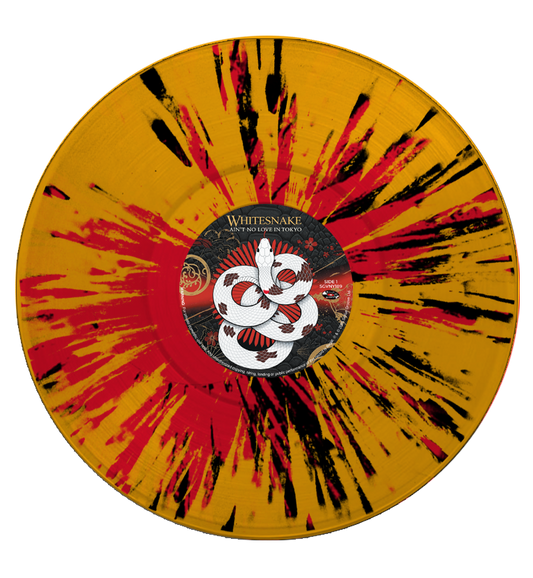
Whitesnake - Ain't No Love In Tokyo (Limited Edition Hand Numbered on Splatter Vinyl)
Regular price £29.99 GBPRegular priceUnit price per -
Whitesnake - Greatest Hits In Tokyo (Limited Edition Hand Numbered on Splatter Vinyl)
Regular price £29.99 GBPRegular priceUnit price per -
Whitesnake - Greatest Hits In Tokyo (Limited Edition Hand Numbered on Splatter Vinyl) Numbers 001 - 010
Regular price From £79.00 GBPRegular priceUnit price per













NUMBERED 12-INCH VINYL History
Numbered 12-inch vinyl records are special or limited-edition releases where individual copies are given their own unique number, usually printed, stamped or embossed onto the record sleeve. The number identifies the copy within the stated edition; it does not necessarily indicate the order in which the record was pressed.
For example, a release limited to 500 copies might be individually numbered from 001/500 through to 500/500. Rather than owning one of an unspecified number of records, the collector owns a clearly identifiable copy from that particular pressing.
Numbered vinyl has been used by record labels for decades to distinguish special releases from standard mass-produced editions. One of the most famous examples is The Beatles’ White Album, whose original 1968 copies featured individual serial numbers on their sleeves. Early and particularly low-numbered examples have subsequently become highly desirable among Beatles collectors.
Numbering is one detail of an edition, alongside its stated production quantity, recording, packaging and condition. It does not by itself establish value or guarantee that a release is scarce. The same title may have several separately numbered editions, so the edition details matter as much as the individual number.
Collectors sometimes seek low numbers such as 001 or 002, while numbers connected with an artist, album or significant date can also attract additional interest. However, there is no guarantee that a lower number will be worth more—the scarcity and desirability of the release itself remain much more important.
Numbered editions are frequently combined with other collectable features, including coloured vinyl, 180g pressings, alternative artwork, gatefold sleeves, picture discs and special packaging. This makes numbered 12-inch vinyl particularly appealing to collectors looking for something different from a standard pressing.
A numbered 12-inch release combines an album or single with an edition-specific presentation. Check the music, disc count and playback speed first, then the numbering and packaging. Sleeve condition and any numbered insert are part of the complete copy; the printed number alone does not identify its mastering or the order in which the vinyl was pressed.
For example, a release limited to 500 copies might be individually numbered from 001/500 through to 500/500. Rather than owning one of an unspecified number of records, the collector owns a clearly identifiable copy from that particular pressing.
Numbered vinyl has been used by record labels for decades to distinguish special releases from standard mass-produced editions. One of the most famous examples is The Beatles’ White Album, whose original 1968 copies featured individual serial numbers on their sleeves. Early and particularly low-numbered examples have subsequently become highly desirable among Beatles collectors.
Numbering is one detail of an edition, alongside its stated production quantity, recording, packaging and condition. It does not by itself establish value or guarantee that a release is scarce. The same title may have several separately numbered editions, so the edition details matter as much as the individual number.
Collectors sometimes seek low numbers such as 001 or 002, while numbers connected with an artist, album or significant date can also attract additional interest. However, there is no guarantee that a lower number will be worth more—the scarcity and desirability of the release itself remain much more important.
Numbered editions are frequently combined with other collectable features, including coloured vinyl, 180g pressings, alternative artwork, gatefold sleeves, picture discs and special packaging. This makes numbered 12-inch vinyl particularly appealing to collectors looking for something different from a standard pressing.
A numbered 12-inch release combines an album or single with an edition-specific presentation. Check the music, disc count and playback speed first, then the numbering and packaging. Sleeve condition and any numbered insert are part of the complete copy; the printed number alone does not identify its mastering or the order in which the vinyl was pressed.